
 Smarter energy systems deliver increased resilience and storage, significantly reducing carbon emissions and strengthening sovereign manufacturing capability.Hybrid energy storage systems used in aviation integrate hydrogen fuel cells and batteries to cut emissions and improve design, freeing up valuable space for payload.
Large-capacity sodium-ion batteries reducing costs and emissions.

Retrofitting diesel engines to run on 90% hydrogen gas and 10% diesel.

Storing hydrogen as a safer metal hydride, instead of a gas or liquid.

Large-scale energy storage more efficient and longer-lasting than lithium-ion cells.
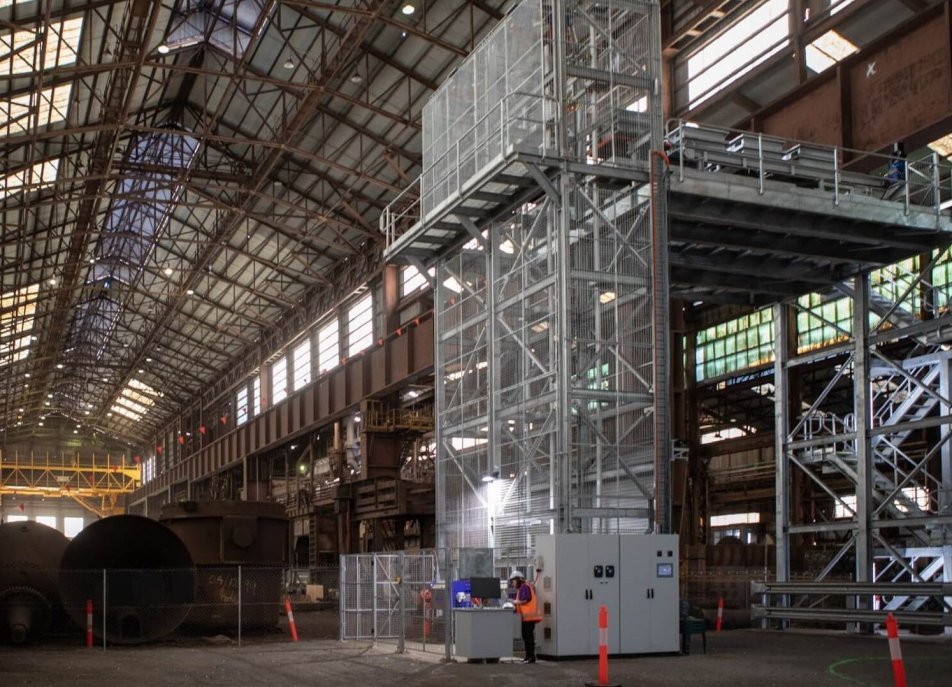
Transforming Australia’s mining legacy into clean energy with gravity.
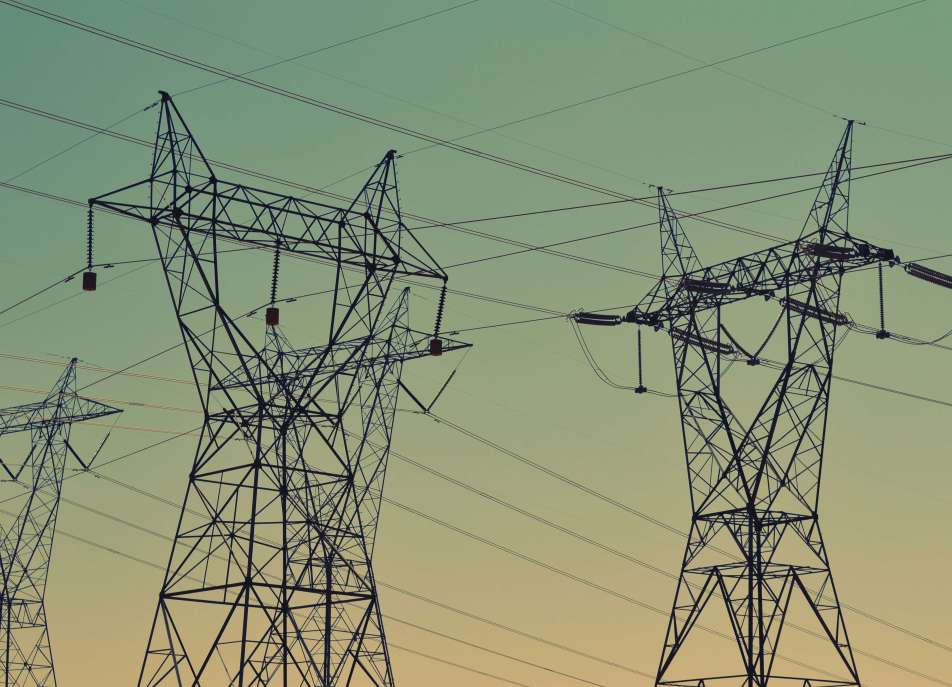
Optimised vanadium batteries for sustainable, and locally produced storage.

Developing net-zero energy buildings in the region.

Sustainable and effective strategies for remediating contaminated sites.
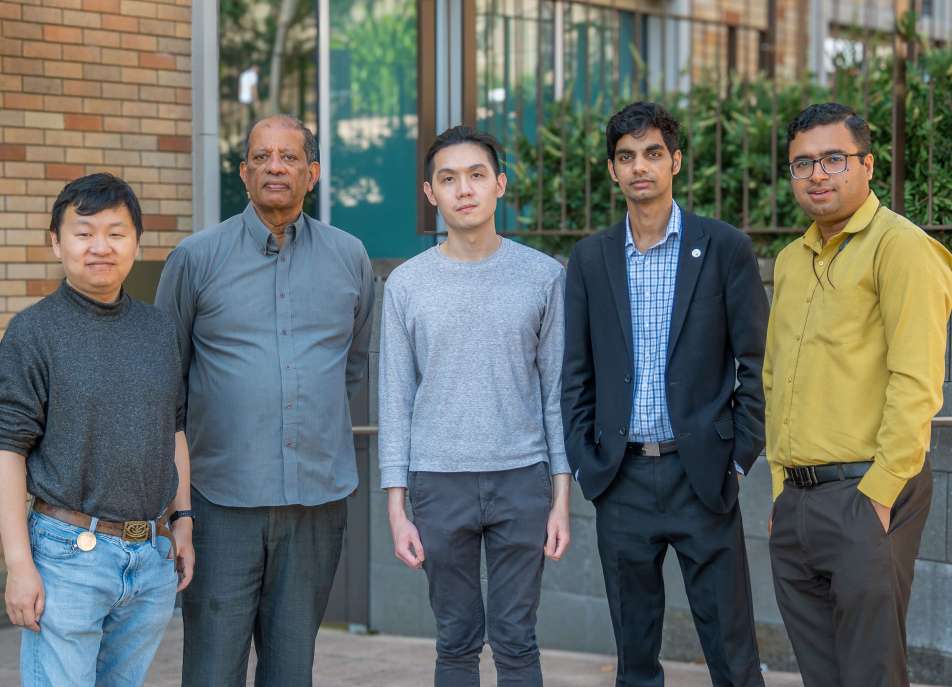
Wireless sensing system that spot dangerous heat build-ups before they escalate.
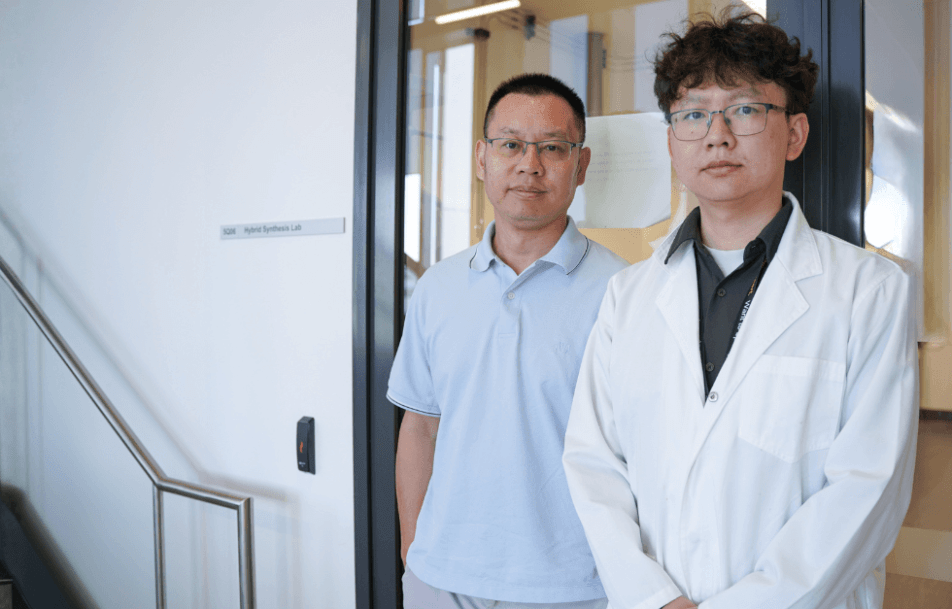
Developing rechargeable batteries that use sodium from seawater.

Developing an AI-enabled energy platform to distribute solar battery and power to tenants.

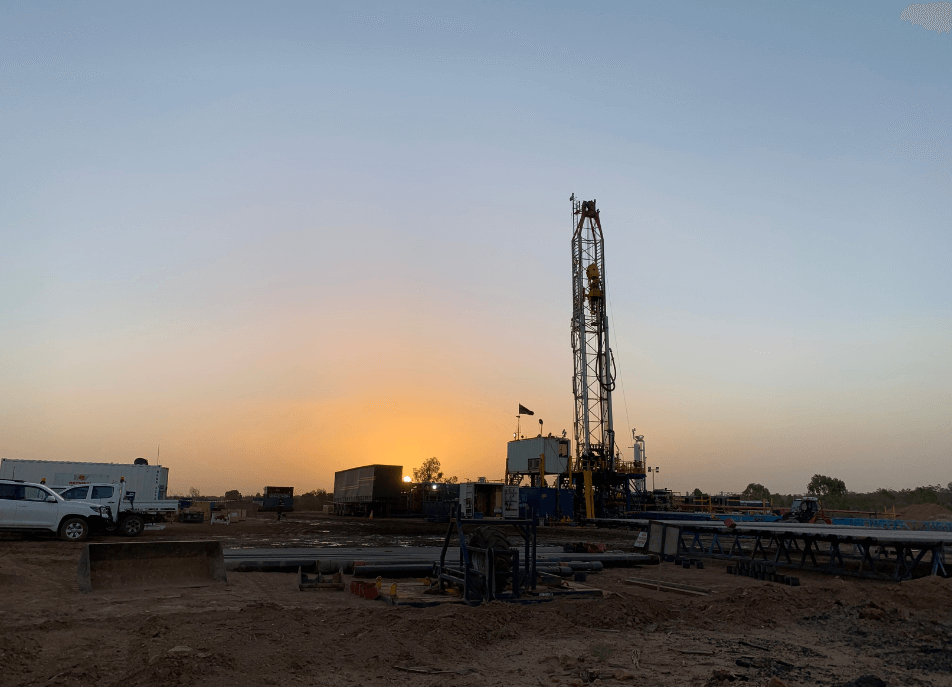
Hydrothermal energy system that uses shallow hydrothermal reservoirs to generate electricity.
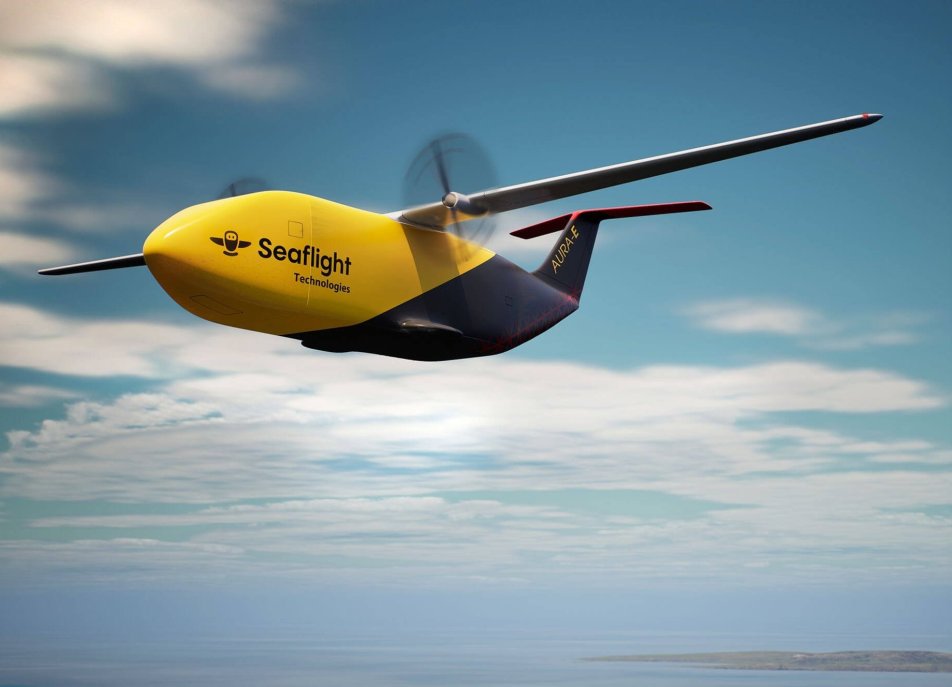
Ultra-efficienct electric cargo drones to advance same-day air cargo logistic performance.
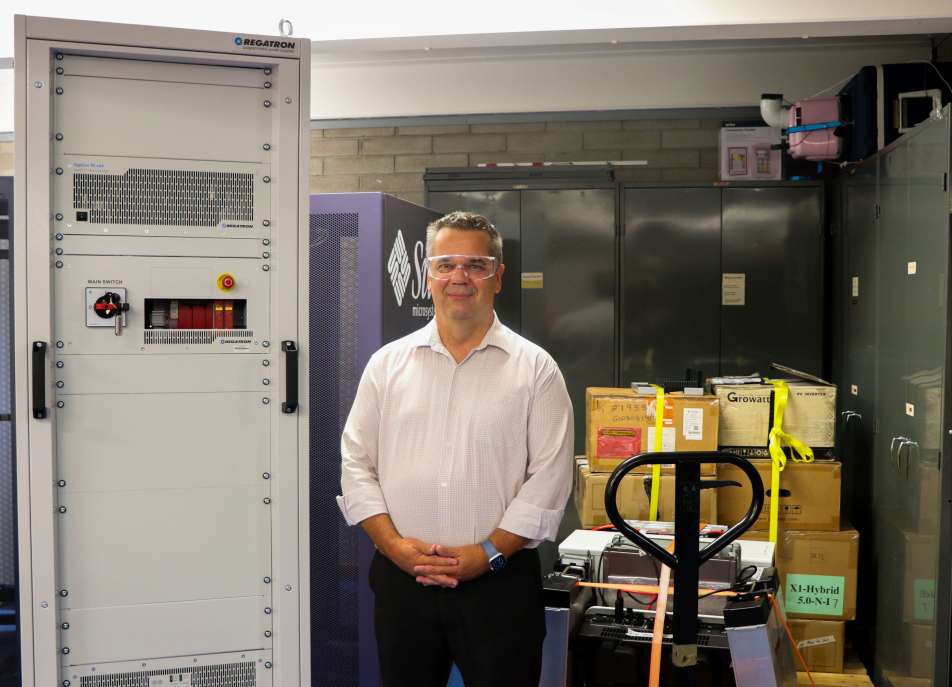
Enabling customer energy resources to support grid stability and improve energy affordability.

Cutting emissions with the world's first AI ocean forecasting system for ships.

Supporting P-One Technology convert cutting-edge research into market-ready solutions.
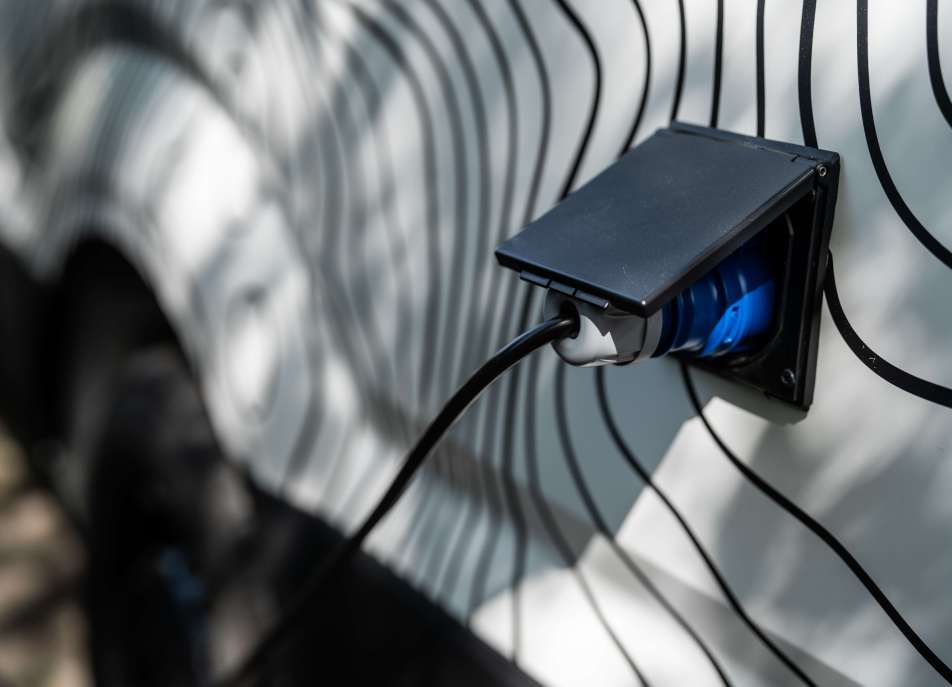
Exploring whether Vehicle‑to‑Grid (V2G)–enabled vehicles can support grid stability.


