
Developing net-zero energy buildings in the region: novel next-generation hybrid energy management system
Buildings account for 40% of global energy consumption and about one-third of global greenhouse gas emissions, making them a key challenge in the transition to net-zero emissions. Common energy inefficiencies, such as heating, cooling, and ventilation systems running at full capacity even when not needed, or solar power being wasted because it isn’t properly stored or redistributed, are driving up costs and placing unnecessary strain on the grid. These inefficiencies cause green waste, also leading to increased reliance on fossil fuels to meet peak energy demand.
UNSW and Dubbo City Council Join Forces to Develop a Smart Energy Management System
To tackle these issues, UNSW and Dubbo Regional Council have teamed up to develop an innovative next-generation hybrid energy management system (EMS), supported by a team of leading experts from UNSW, including Professor Deo Prasad – Lead Chief Investigator, and project managers Associate Professor Lan Ding and Dr Huadong Mo.
This new system aims to transform how buildings consume, store, and distribute energy, improving efficiency and sustainability while lowering costs.
“By combining our expertise at UNSW with the commitment of Dubbo Regional Council, we are developing a solution that will not only enhance energy efficiency but also pave the way for sustainable energy management in buildings across Australia.”
– Professor Deo Prasad, Lead Chief Investigator, UNSW
How the system works
The EMS integrates multiple energy sources, including rooftop solar, battery storage, and grid power. Using predictive analytics, the system optimises energy use by storing excess solar energy in batteries during the off-peak-demand periods. Then, at peak-demand periods, the EMS draws from the stored solar power instead of relying on fossil fuel-based grid power.
The system is also equipped with smart automation, which adjusts energy use based on actual occupancy. For example, if offices or meeting rooms are empty, the EMS automatically dims or turns off lights and reduces heating or cooling. During heatwaves, the system can pre-cool buildings using solar energy generated earlier in the day, alleviating strain on the grid when demand peaks in the evening. The project also explores the potential of AI-driven forecasting, allowing buildings to anticipate energy needs and adjust consumption accordingly.
“The system’s ability to dynamically adjust energy usage based on real-time conditions will revolutionise the way buildings interact with energy. It’s a step toward smarter, more sustainable urban infrastructure.”
– Huadong Mo, Project Manager, UNSW
By intelligently managing when and how energy is used, stored, and redistributed, this system not only cuts costs for building operators but also contributes to a more stable and sustainable energy network.
Installation in a building of the Dubbo Regional Council
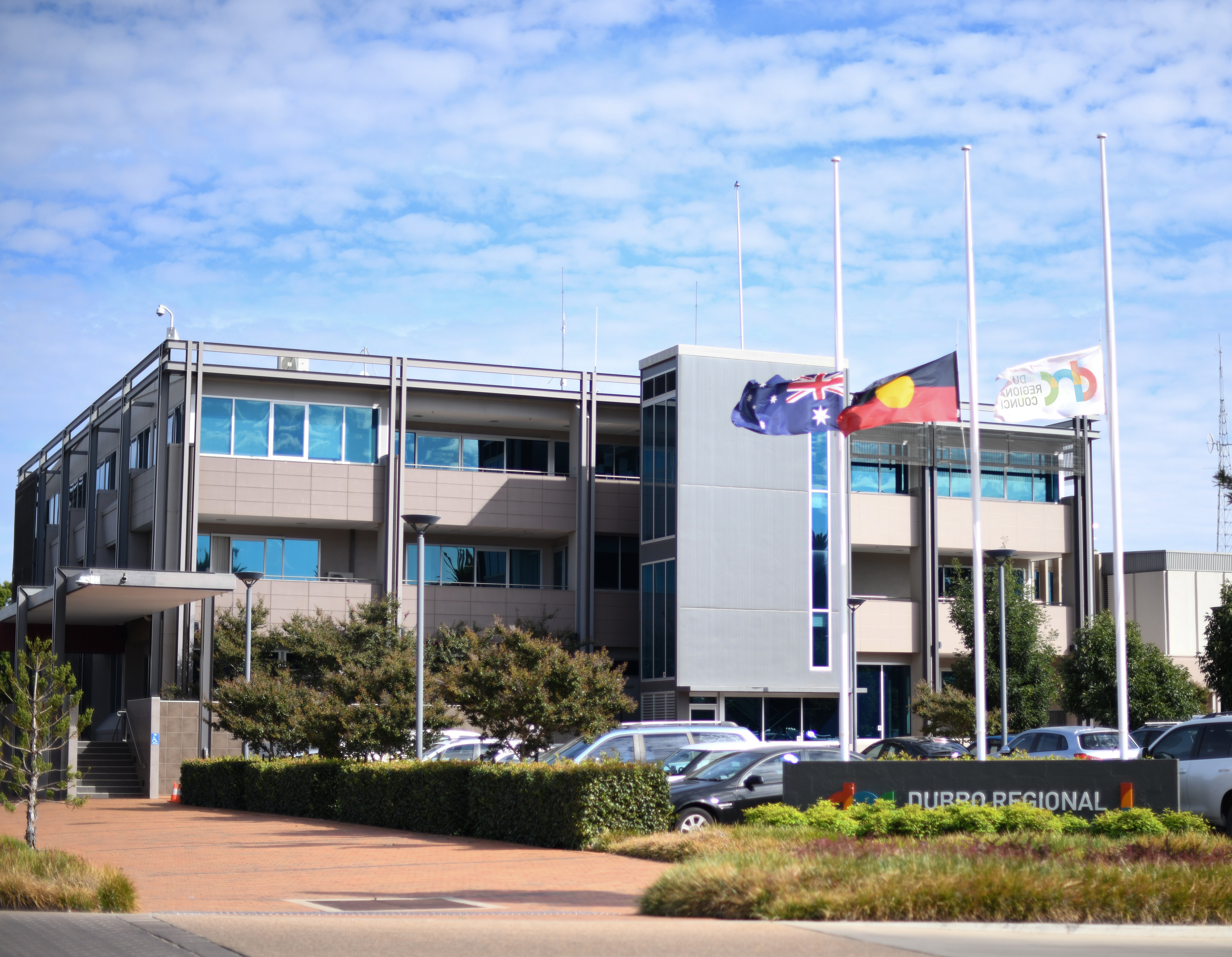
The first prototype of the hybrid EMS will be installed in a Dubbo Regional Council building, serving as a “living lab” to showcase its functionality in real-world conditions. The system will integrate with existing solar panels and EV charging infrastructure, providing valuable data to fine-tune its performance.
Dubbo Regional Council, which is committed to achieving net-zero operations by 2050, will play a key role in the project offering its Dubbo Civic Administration Building as the host site for the project, and providing in-kind project management assistance and support from the Council’s staff.
“Installing this system in one of our buildings is a major milestone in our journey toward net-zero. It will not only provide invaluable insights but also demonstrate the potential of such systems in real-world applications. This is also a way to save money directly for our community. Financial sustainability is a challenge for Councils right now, and this project allows us to reduce our operating costs, which in turn reduces the costs for our community “ – Catriona Jennings, Organisational Sustainability Coordinator, Dubbo Regional Council
Driving Net-Zero buildings in Australia
This project is a major step towards decarbonising the building sector in Australia. By developing a scalable, market-ready solution, the initiative will contribute to achieving national net-zero targets while improving energy efficiency in buildings. The successful implementation of this system at Dubbo Regional Council will set the stage for widespread adoption across commercial, public, and residential buildings.
TRaCE, through its Lab to Market Fund, will support this project by providing essential funding, project management expertise, and access to a network of industry experts and facilities. By leveraging TRaCE’s ecosystem, the project team will be able to refine their solution, navigate commercialisation challenges, and position their next-generation hybrid energy management system for broader adoption in the building sector.


