
 High-performance additives for paints, coatings and other materials created from fly ash creates a supply chain for a problematic by-product of coal fired power stations.Waste textiles and mattresses are used to create Green Ceramics, new bio-composites used in kitchen benches and construction products. Transforming waste materials such as rubbers, plastics, and coffee grounds into valuable resources to produce Green Steel.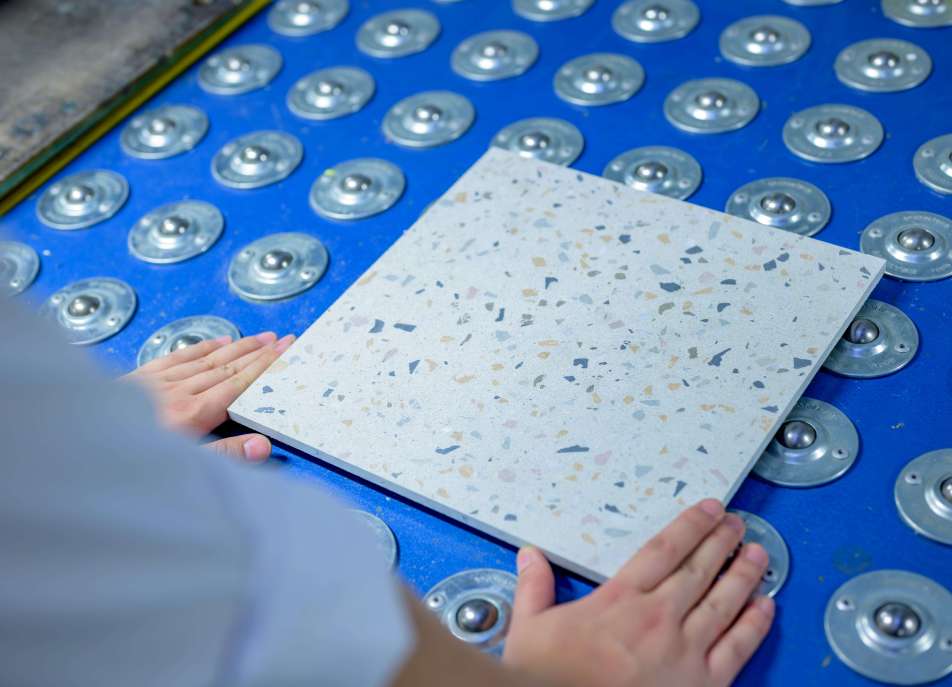
High performance, non-toxic, green ceramic tiles from recycled mattresses.
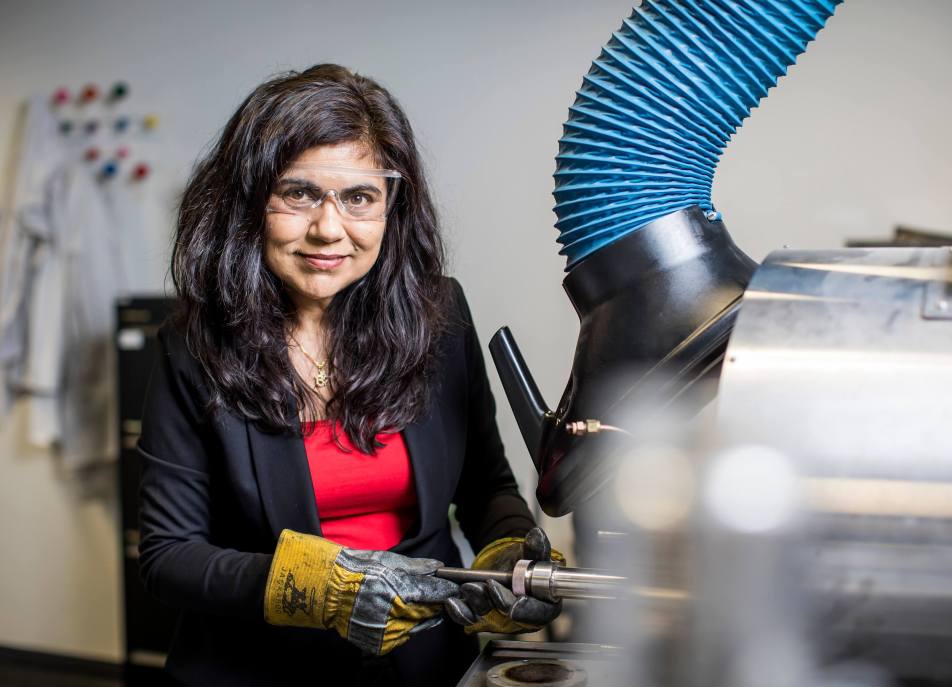
Recycling mixed materials into aluminium slugs used to make aerosol cans.
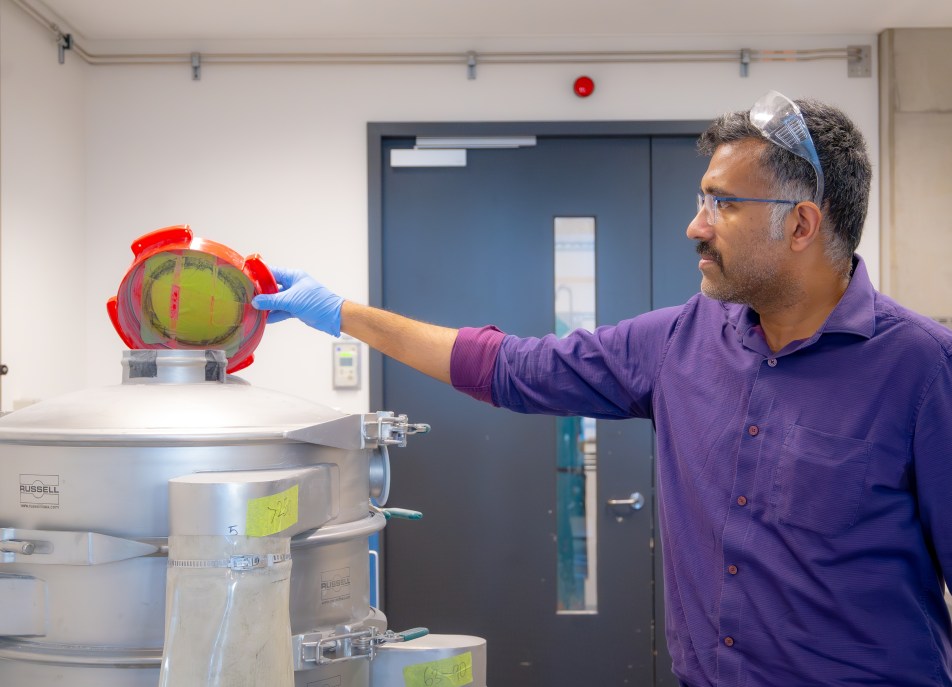
Converting fly ash into a low-cost additive in paints and coatings.

Optimising de-watering technology to recover more critical minerals by producing drier waste.
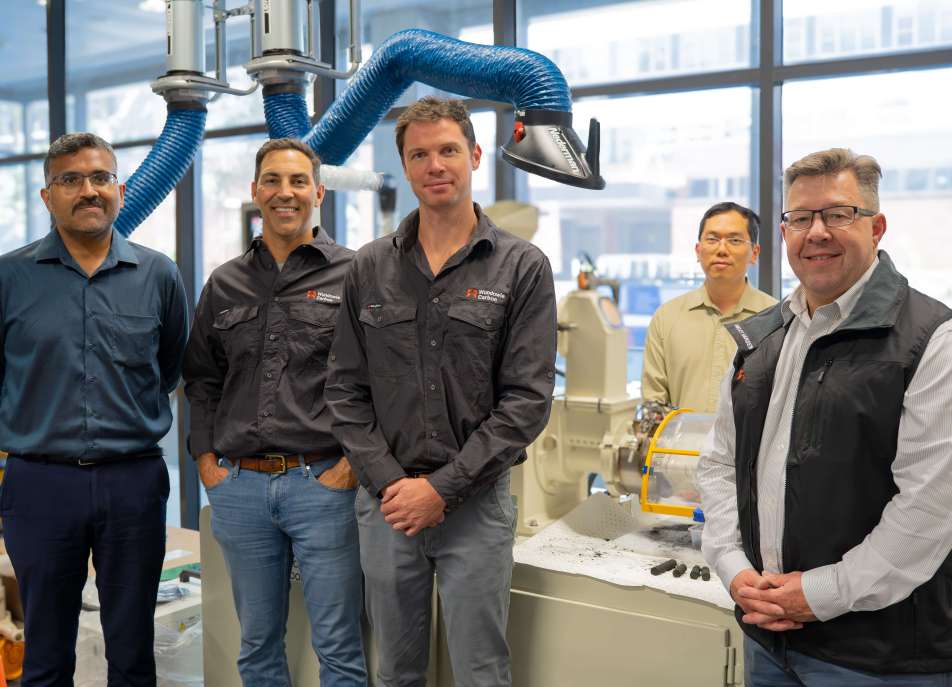
Repurposing bushfire-damaged trees into a net-zero alternative to fossil-based coking coal.
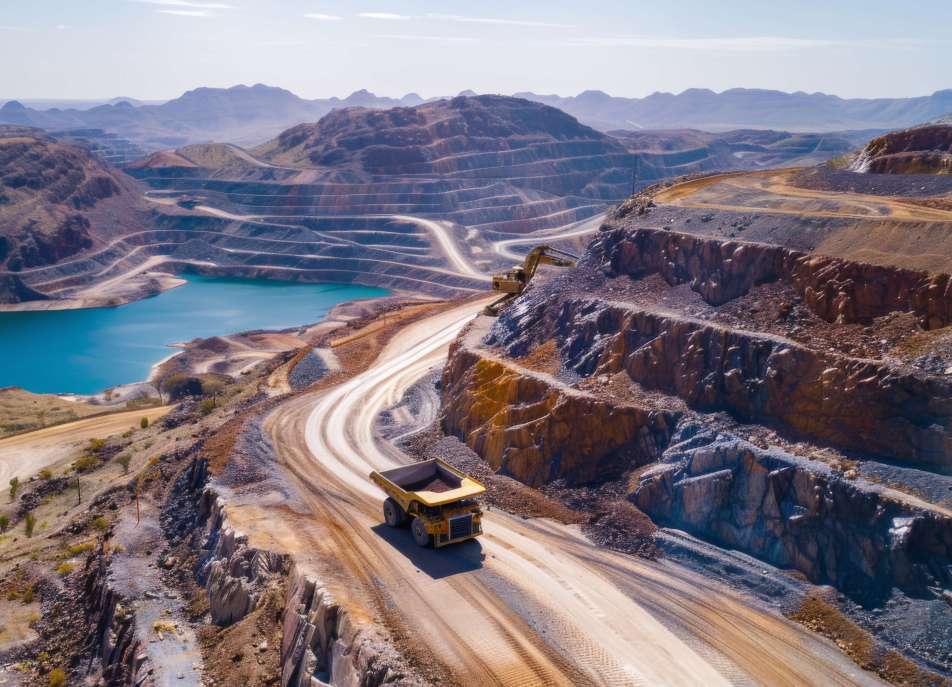
Sustainable water management solution reducing carbon emissions in mining.
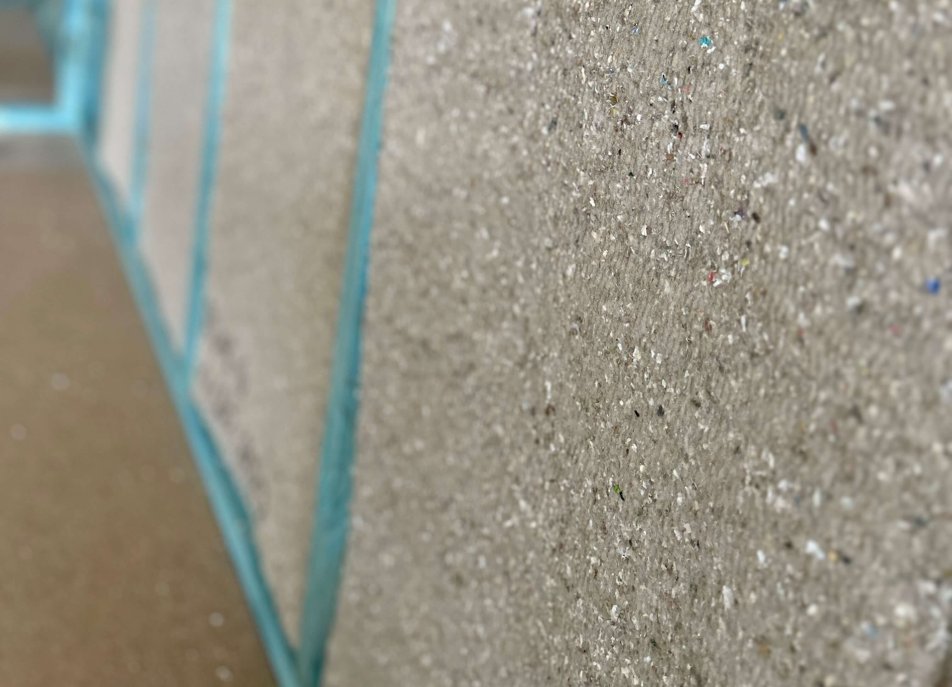
Using recycled cellulose materials and soft plastics to create new insulation.
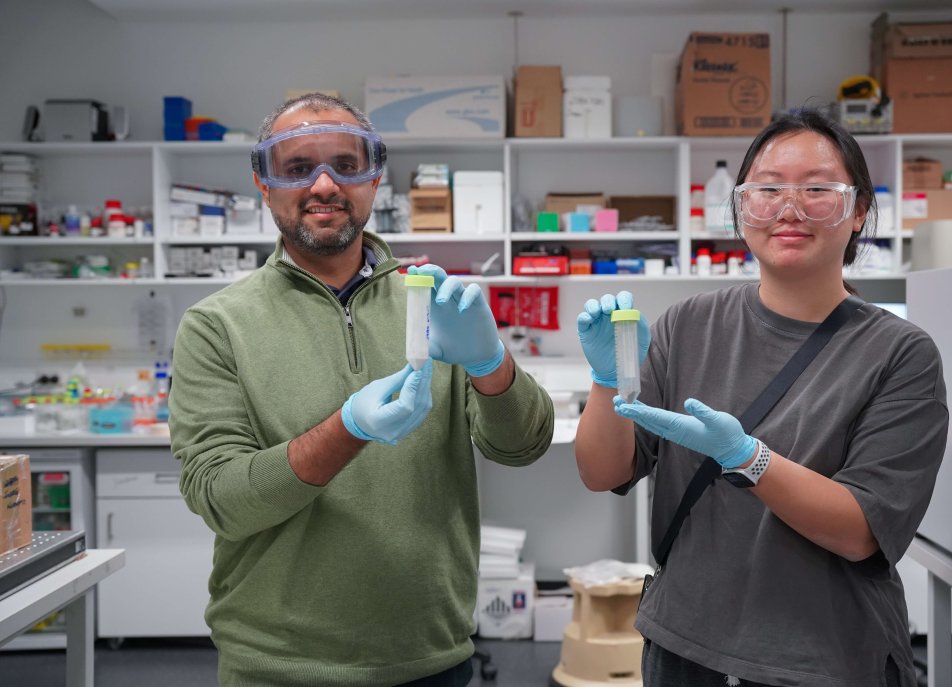
Recycling wind turbine waste into biodegradable silicone.
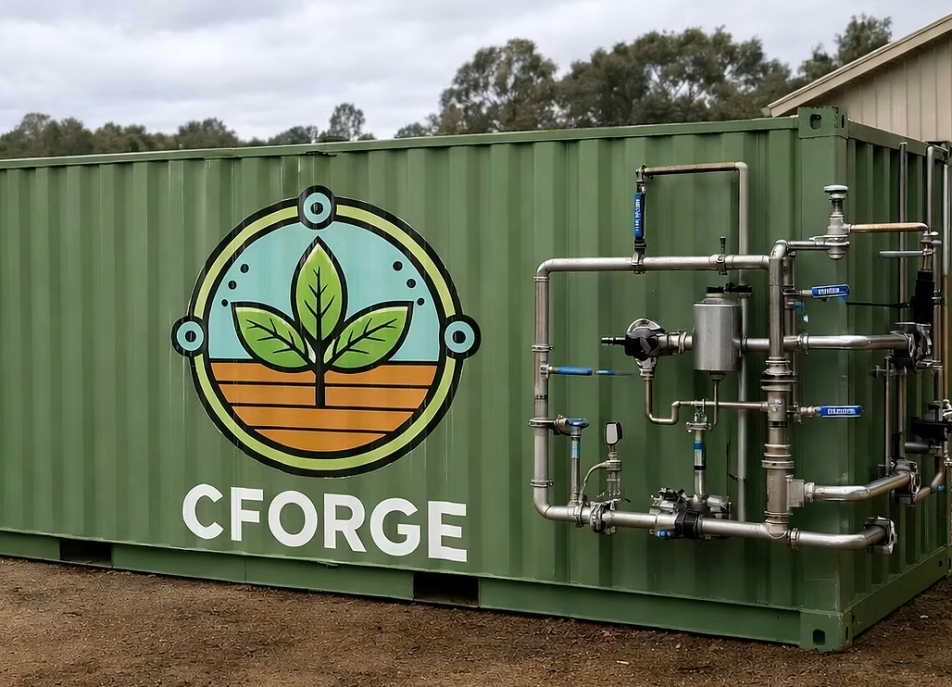
Exploring the use and benefits of biofertilisers as an alternative for restoring soil nutrients.
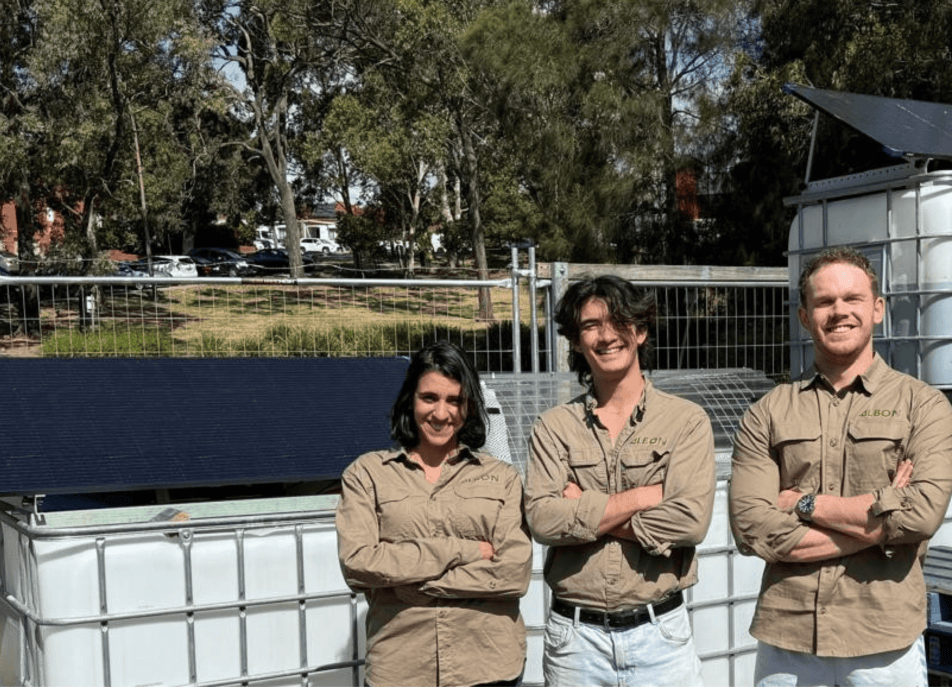
Advancing a solar-powered algae-bacteria photobioreactor designed to treat wastewater.
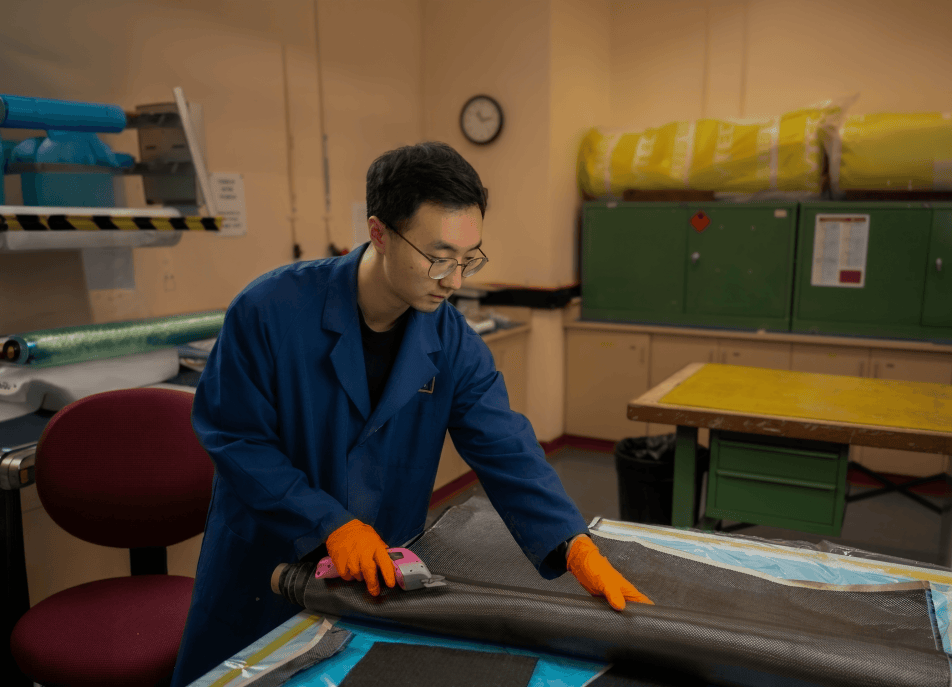
Developing a smarter way to recycle one of the world’s most valuable and wasted materials.

TRaCE backs Australian startup developing refining technology for germanium and gallium.
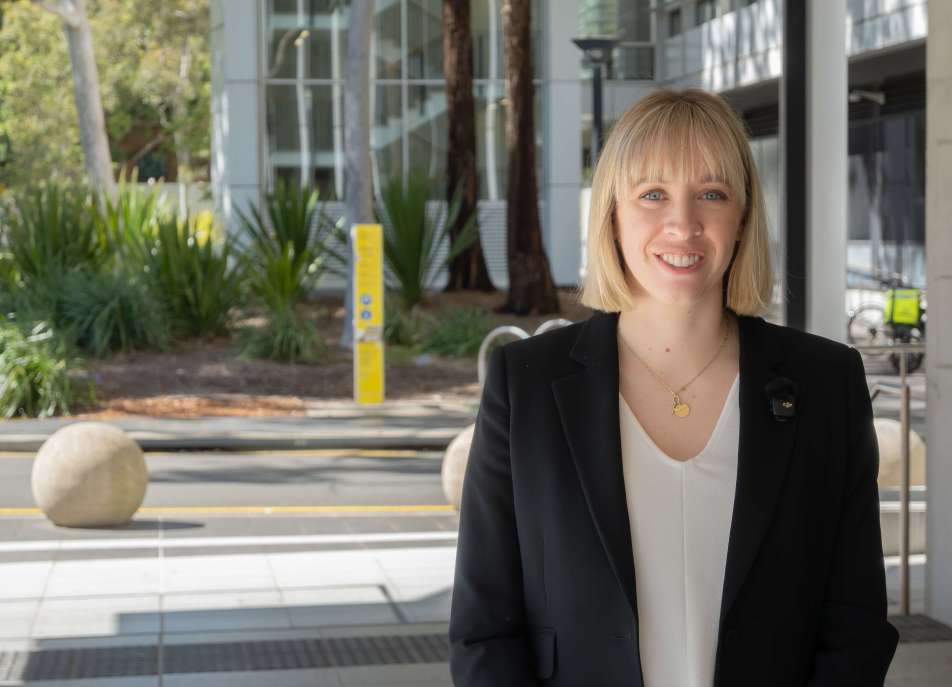
Developing recyclable PU foams that integrates into existing manufacturing systems.
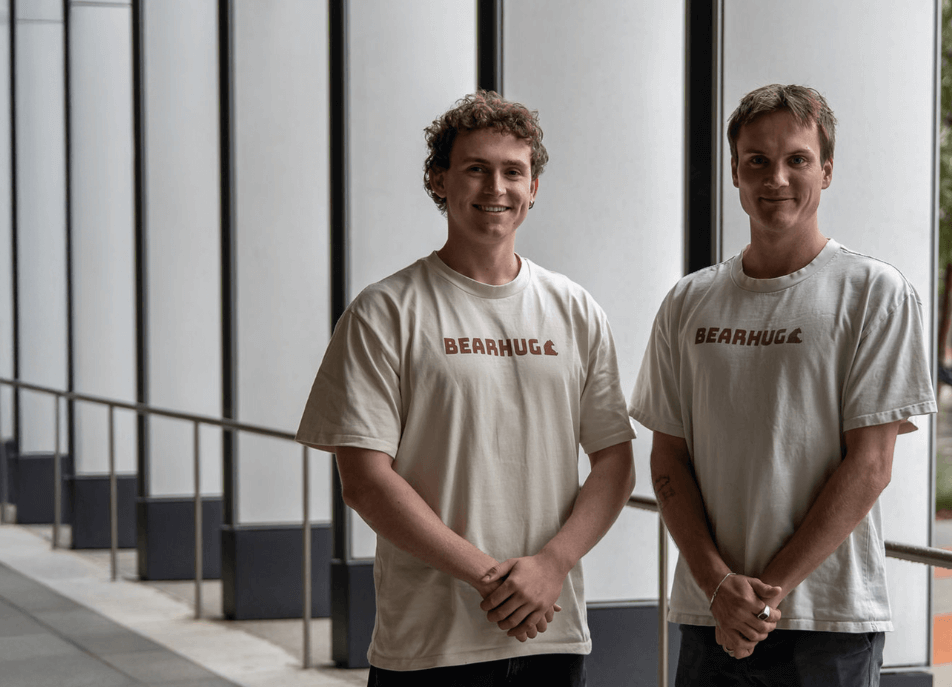
Scaling-up an end-to-end pallet wrap reuse system for large-scale circular packaging.
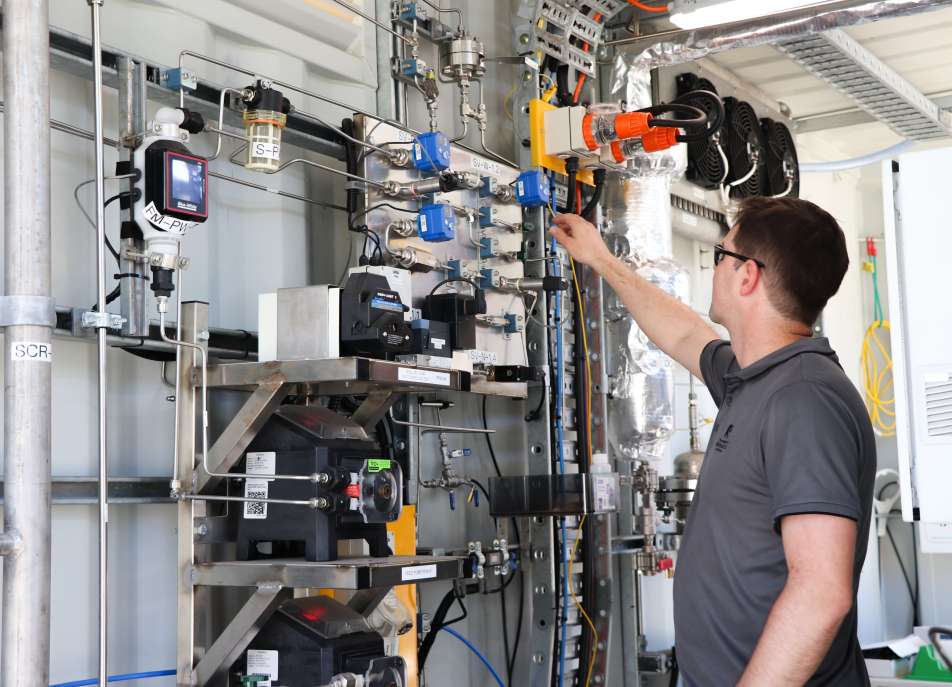
Piloting technology that destroys PFAS and recovers hydrogen for energy applications.

Using novel manufacturing processes to produce polymer-modified bitumen.
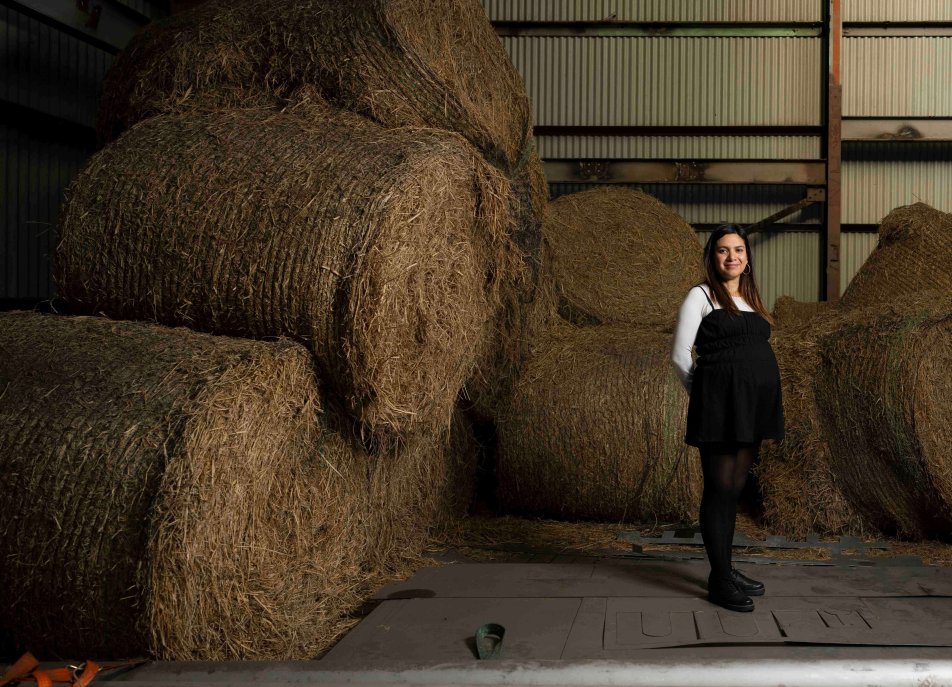
Generating green hydrogen from organic waste, including food waste and coal tailings.
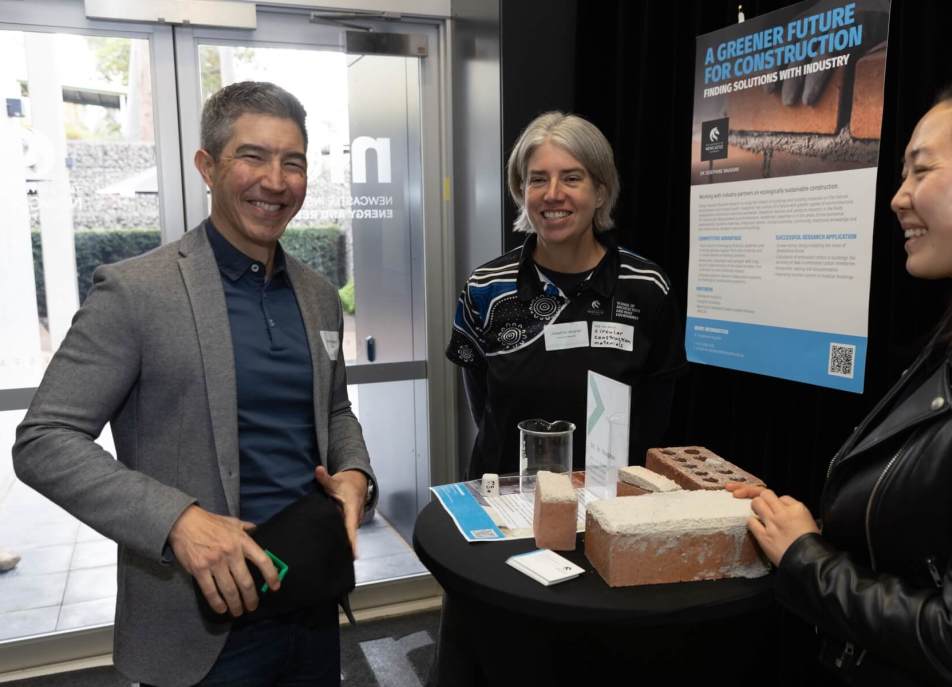
Expanding an online platform that resells construction surplus and tracks impact.


