Modern farming practices often strip soil of the nutrients needed to support healthy plant growth and maintain long-term productivity. When this happens, farmers often rely on chemical fertilisers and pesticides to replace what has been lost.
While these products can help boost short-term productivity, their use also contributes to soil degradation, water pollution, and broader environmental harm.
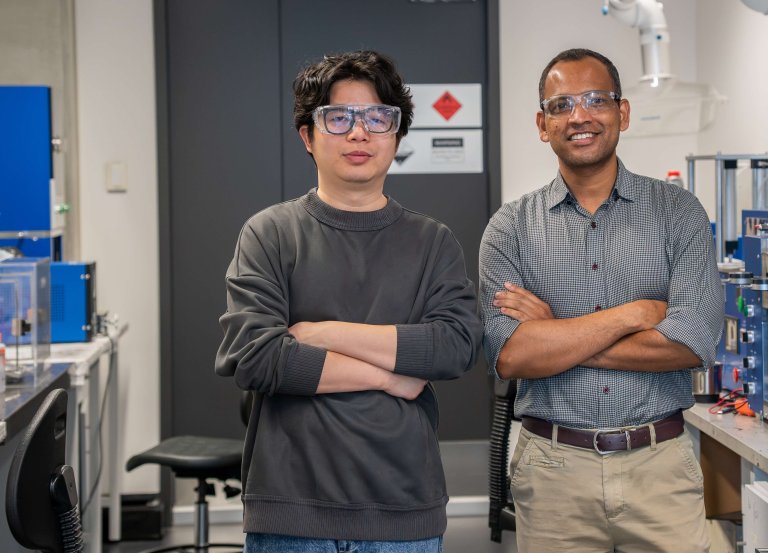
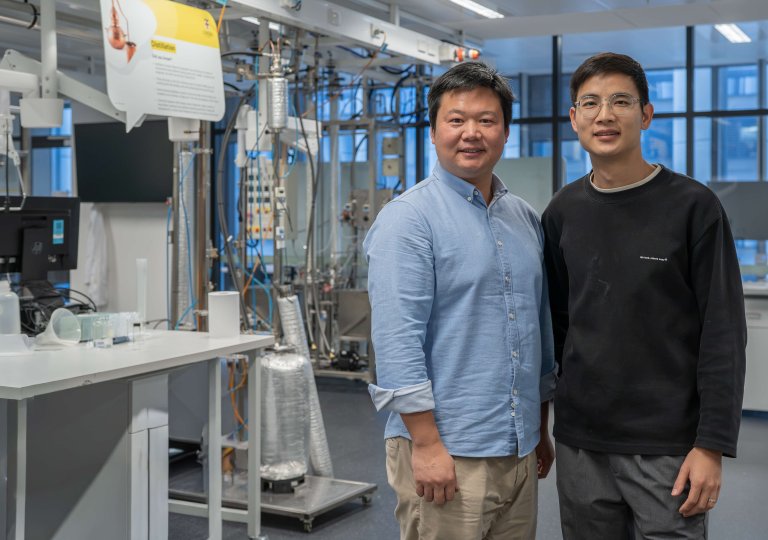
Through a TRaCE R&D Voucher, CForge is partnering with TRaCE researchers at the University of Newcastle to explore the use and benefits of biofertilisers as an alternative for restoring soil nutrients. The research will be led by Associate Professor Karl Hassan from the School of Science who brings expertise in soil bacteria, plant biocontrol, synthetic biology, and bioremediation.
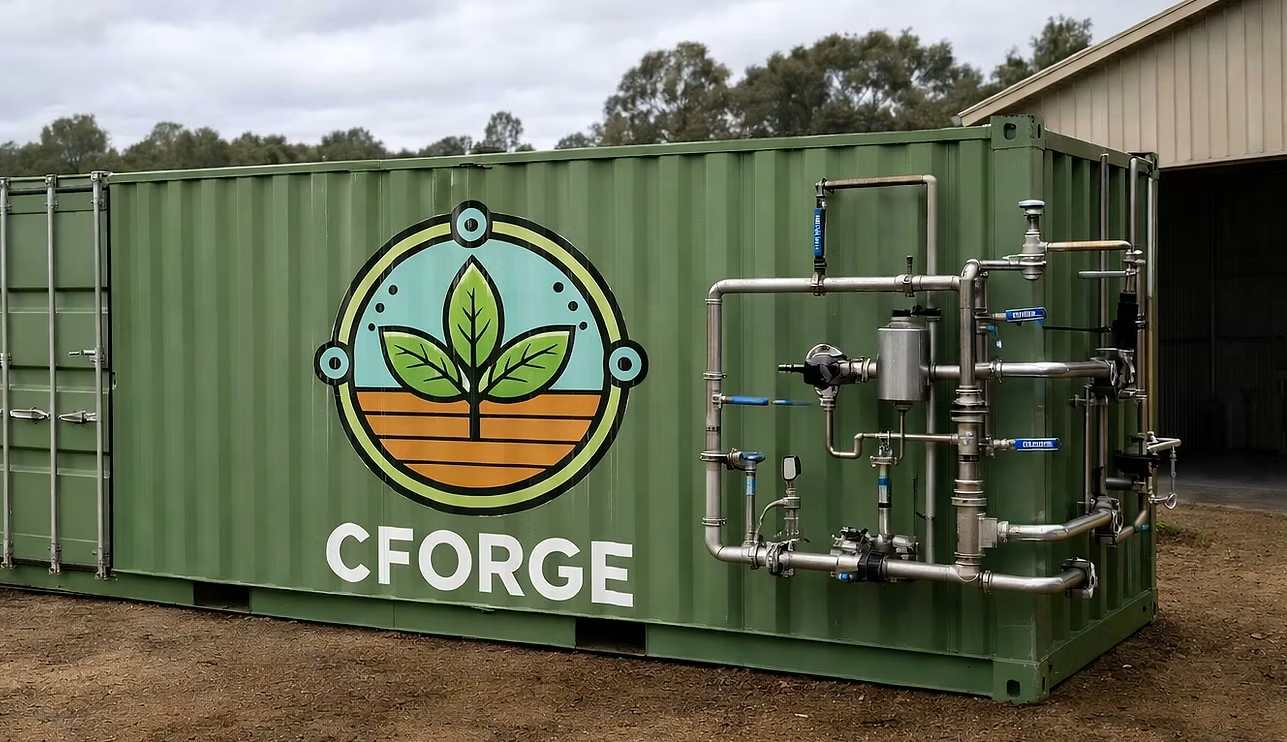
CForge, founded by Vigneswaran Appia, has developed an on-farm bio-conversion process that transforms agricultural waste into biofertiliser. The system converts produce that cannot be sold, manure, and other farm waste into organic fertiliser, biogas and renewable energy.
Using this system, CForge not only reduces waste but also creates circular, efficient, and financially sustainable products. This approach delivers significant economic and environmental benefits, including lower carbon emissions and improved long-term soil health.
Inside the Science: Testing nutrients and microbial processes
This project will test the quality of CForge biofertilisers by looking at the overall nutrient content.
A data-driven study will examine the microbial processes taking place during production. Agricultural waste contains a diverse mix of microbes; some that will help the process, while others may slow it down. By studying the microbial processes, the research team will be able to identify which microbes are affecting the quantity and quality of the biofertilisers.
Researchers will collect regular samples from inside the CForge bioreactor throughout the processing cycle to test which ones are most active at different times. Different microbes are expected to be more important at different stages, for example methane‑producing microbes during periods of high gas production.
The study will also investigate what happens to any potentially harmful microbes that may come from animal waste.