After successfully trialling their green hydrogen production technology, CSIRO spinout Hadean Energy Limited is partnering with TRaCE researchers at the University of Newcastle to improve the long-term performance of their designs.
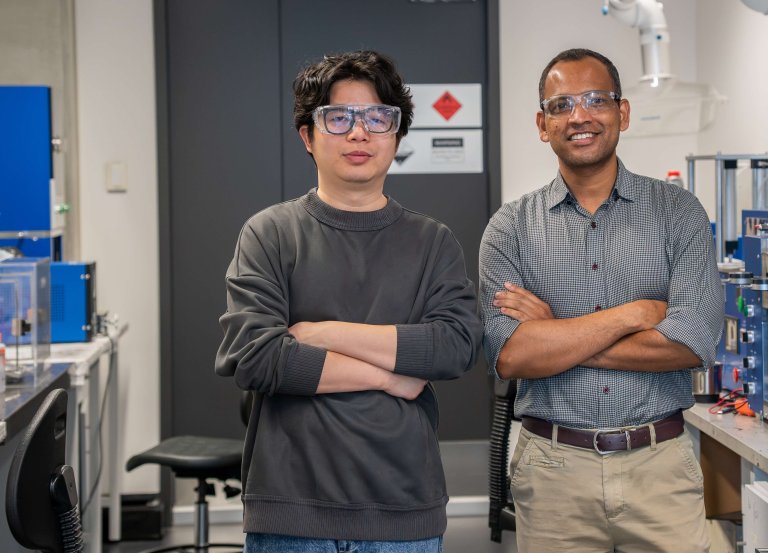
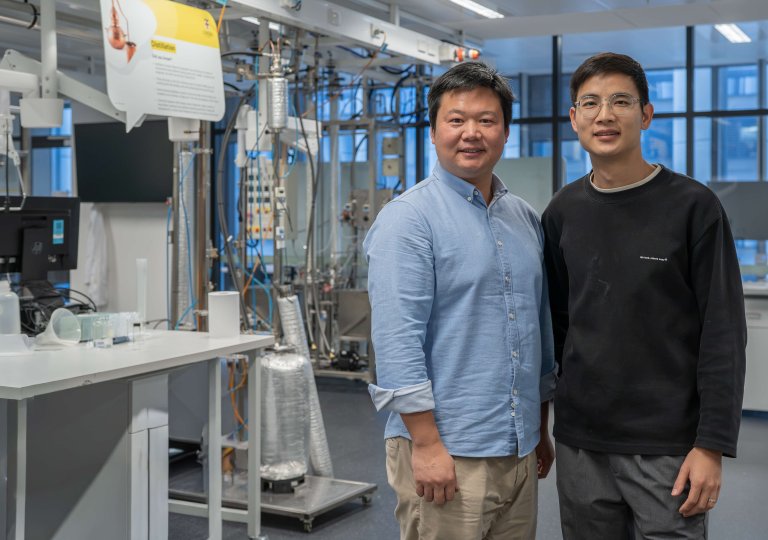
As a recent recipient of a TRaCE R&D Voucher, Hadean Energy will be working with Dr Jessica Allen from the School of Engineering to explore cost-effective, high-performing designs for green hydrogen gas production. Dr Allen brings research expertise in renewable energy systems, energy storage and electrochemical systems.
This project will build on Hadean Energy’s tubular solid oxide electrolyser (SOE), a technology that was originally developed at CSIRO. It aims to improve the performance of the current collector within the electrolyser.
This work is critical for long-term stability and efficiency under the harsh operating conditions required for industrial green hydrogen production.
What is the technology?
A solid oxide electrolyser (SOE) uses electricity and heat to split water into hydrogen and oxygen. Operating at temperatures around 800 °C, SOEs are among the most efficient green hydrogen production technologies available, utilising industrial waste heat to increase efficiency.
Hadean Energy’s tubular SOE design offers several advantages: high-efficiency, reduced system complexity and cost, improved reliability, and scalable manufacturing potential.
What has been done so far?
The technology has already proven its potential in a successful 1000-hour trial at the Port Kembla Steelworks in NSW. The trial showed the potential of Hadean’s technology to generate renewable hydrogen within heavy industry. This is an important milestone for decarbonising energy-intensive sectors.
What is next?
This project will focus on current collector performance, a key component responsible for transferring electricity within the electrolyser. Current collectors operate under extreme conditions including high temperatures, reactive gases, and long operating periods. Such conditions contribute to degradation of materials over time.
This project will use the existing designs by Hadean Energy and test options for enhanced durability and electrical performance. The project will investigate material stability, maintaining electrical contact with the cell, and minimising degradation during extended operation.