Australia’s electricity grid is under increasing pressure. High levels of renewable generation, seasonal demand spikes, and unexpected fault events are creating volatility, particularly in regional corridors where grid infrastructure is often limited. These challenges call for new ways of thinking about flexibility, resilience, and the role of emerging technologies.
Through a TRaCE R&D Voucher, Found Power is partnering with TRaCE researchers at the University of Newcastle to explore whether Vehicle‑to‑Grid (V2G)–enabled electric campervans can function as mobile energy assets, supporting grid stability along Australia’s major travel routes. The research is led by Dr Kyle Harrison, from the School of Computer and Information Sciences, whose expertise in computational modelling, optimisation, and sustainable infrastructure systems underpins the project’s focus on data‑driven, real‑world energy challenges.
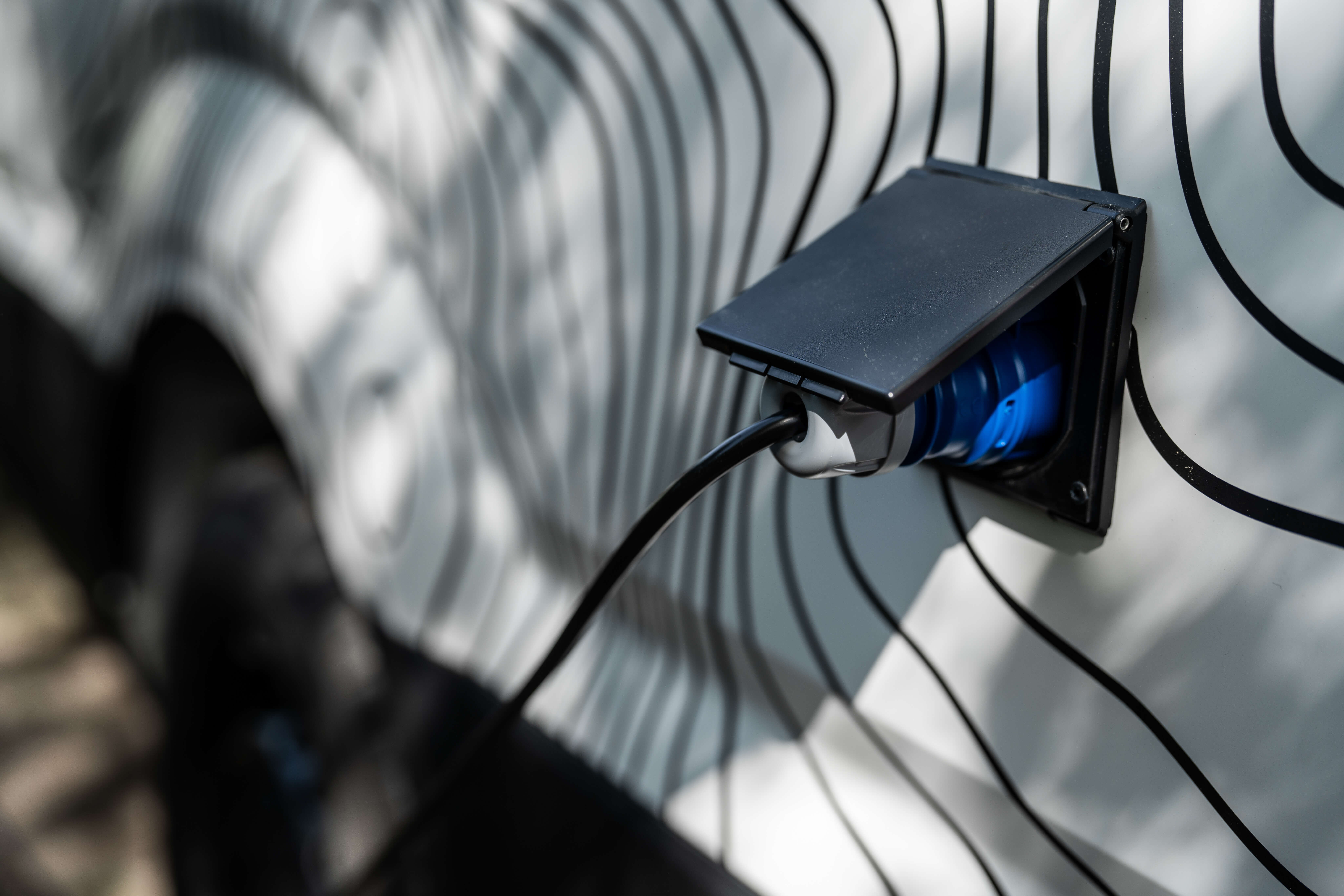
Found Power is pioneering the electrification of campervans for adventure travel, embedding V2G capabilities that allow vehicles not only to charge, but also to discharge energy back into the grid when needed. With significant research and development already completed, the company is now preparing for commercialisation, with a target of deploying 50 electric campervans within five years.
This TRaCE-supported project builds on that vision by delivering a data-driven feasibility study to test whether a distributed fleet of campervans could meaningfully contribute to grid resilience during peak demand periods or fault events.
Rather than relying on stationary batteries or permanent infrastructure upgrades, the project investigates how mobile assets, such as electric campervans, could help relieve grid stress at critical locations and times.
The project is designed as a transferable modelling framework for mobile V2G systems, using the Sydney–Byron Bay corridor (via Newcastle, Port Macquarie, and Coffs Harbour) as an illustrative case study. This corridor combines heavy tourism traffic with long distances and sections of the grid that are particularly sensitive to peak demand and outages.
By integrating real-world travel behaviour, charging infrastructure availability, and regional grid constraints, the model will simulate a range of fault and operational scenarios. The goal is to understand how fleet size, vehicle spacing, and charging hub locations influence the ability of a mobile fleet to support grid stability.
This TRaCE R&D Voucher project represents the first phase of broader research and industry collaboration. Its success will be measured by the clarity and usefulness of the insights generated, providing Found Power and future partners with a stronger evidence base to guide infrastructure planning, operational strategies, and future investment decisions.
By reimagining campervans as both vehicles and energy resources, this project highlights how innovation at the intersection of transport and energy can unlock new pathways to a more resilient, flexible grid, one road trip at a time.