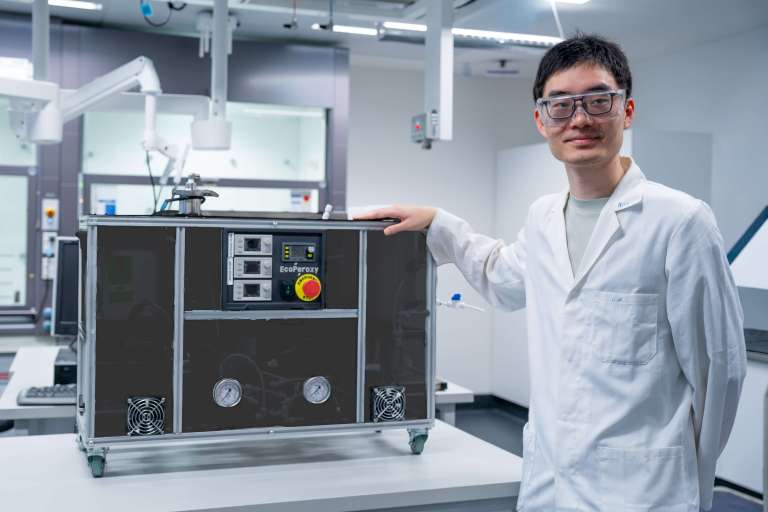
TRaCE Academic Fellow, Associate Professor Thomas Fiedler, Head of Discipline, Aerospace Systems, Mechanical and Mechatronics Engineering is driven by a clear purpose: developing innovative materials that reduce environmental impact and support the transition to a low-carbon future.

Creating materials for a more sustainable world
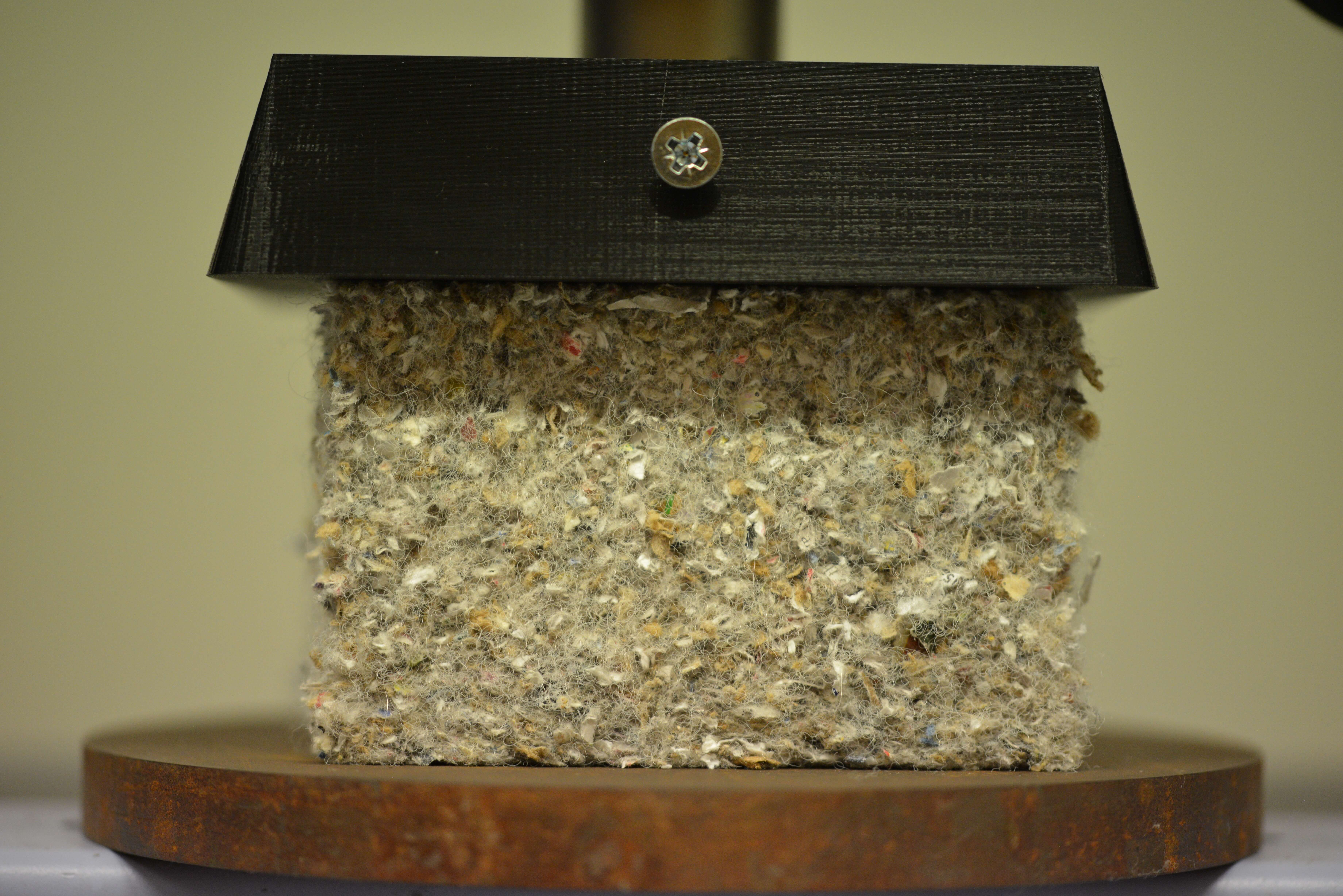
Associate Professor Fiedler’s research focuses on sustainable composite materials made from natural and recycled resources.
From advanced thermal insulation for buildings to materials that improve energy absorption in power generation systems, his work is helping create practical solutions for a more sustainable world.
“I am particularly interested in developing materials with the goal of reducing carbon emissions and environmental impact,” he said.
Alongside developing new materials, Associate Professor Fiedler investigates their thermal and mechanical properties to improve performance, efficiency and durability across a range of applications including clean energy technologies and advanced building systems.
Discovering new opportunities through TRaCE
After learning about TRaCE, Associate Professor Fiedler saw it as an opportunity to expand the reach and impact of his work. Since becoming involved, he says the experience has been strengthened by the guidance and expertise of the TRaCE team.
“The TRaCE team has provided outstanding support and has always been a pleasure to work with,” he said.
That support has helped unlock new opportunities for collaboration, industry engagement and research translation, creating pathways for his work to move beyond the laboratory and into practical application.
A significant outcome from Associate Professor Fiedler’s involvement with TRaCE has been the ability to build stronger partnerships with industry and innovation leaders.
“TRaCE has helped me build strong connections with local companies and innovators, supported the translation of research into real-world applications, and enabled the purchase of research equipment that has strengthened our research capabilities,” he reflected.
These partnerships have not only increased the impact of his research but have also helped establish the infrastructure, capability and networks needed to support future projects.
Powering renewable energy innovation
One of the highlights of Associate Professor Fiedler’s journey with TRaCE has been his collaborations with FPR Energy and SupaCell. For both projects, strong research teams have been established at the University of Newcastle, advancing innovative technologies and building valuable research capacity.

Associate Professor Fiedler’s project with FPR Energy is focused on optimising ceramic particles for long duration thermal energy storage.
“Working with such an innovative technology alongside a highly motivated and collaborative team has been particularly rewarding.”
The project demonstrates the power of industry collaboration in accelerating innovation and addressing real-world challenges. By improving the reliability and durability of components used in concentrated solar thermal energy systems, the team is helping advance technologies that can generate clean, renewable energy at scale.
The partnership has also created opportunities to strengthen the team’s expertise and industry engagement. Senior Research Assistant Matt Patterson is undertaking a TRaCE Mobility Fellowship, enabling him to spend 12 months embedded with FPR Energy. During the secondment, Matt will support the development, commissioning and experimental evaluation of the company’s particle heating technologies, while gaining valuable industry experience.
Looking ahead, Associate Professor Fiedler aims to further accelerate research translation and establish leading expertise in the testing, evaluation and optimisation of innovative materials.
Through close collaboration with industry partners, he is helping advance circular economy solutions, increase the use of recycled and bio-based materials, and support the development of low-carbon technologies.