TRaCE Academic Fellow transforming research into real-world impact
Enterprise Academics
Enterprise Academics
17 September, 2026
Share:
University of Newcastle Senior Lecturer and Director of Industry Engagement in the School of Computer and Information Sciences, and TRaCE Enterprise Academic Fellow, Dr Kyle Harrison is applying artificial intelligence and optimisation to tackle some of society’s most pressing sustainability and infrastructure challenges.
The intersection of adaptive AI and optimisation
Dr Harrison’s research focuses on developing intelligent decision-support tools that help solve complex, real-world systems.
“Much of my current work is centred on sustainability and resilience challenges, including vehicle-to-grid (V2G) impact modelling, AI-assisted drone-based thermal imaging for wildlife detection, and AI-based vision and routing systems for circular kerbside waste recovery,” he explained.
For Dr Harrison, he is motivated by the opportunity to create research that delivers tangible societal impact.
“I am passionate about translating advanced computational methods into practical solutions that help industry, government, and communities make better decisions, improve sustainability outcomes, and address some of the most pressing environmental and infrastructure challenges facing society.”
A conversation that changed direction
In mid-2024, Dr Harrison’s Head of School approached him about seeking partnerships in the clean energy area, a conversation that became the catalyst for a new chapter in his career.
Following that discussion, he was nominated for a TRaCE Enterprise Academic Fellowship, opening the door to new opportunities, industry connections and professional development.
What began as an opportunity to explore new application areas soon became a transformative experience.
“As I often say, becoming involved with TRaCE was one of the best things to happen to my career. TRaCE has fundamentally reshaped the way I think about research impact and the role of industry engagement in my academic career.”
Building industry partnerships
Before joining TRaCE, Dr Harrison’s research largely focused on advancing optimisation and AI methods from a technical and theoretical perspective.
Through the Fellowship, he developed the skills, confidence and networks needed to translate those capabilities into industry-led research projects with real-world outcomes.
“Through my involvement, I have experienced tremendous growth in my ability to engage with industry, develop collaborative projects, and translate research into tangible impact.”
Supported by TRaCE’s professional development programs and industry engagement opportunities, he began building collaborative partnerships focused on co-designed solutions.
“TRaCE helped me see industry engagement as a core part of my academic identity rather than a complementary activity,” he said.
“This shift has influenced both my strategic direction as a researcher and my broader leadership aspirations, ultimately contributing to my appointment as Director of Industry Engagement for the School of Computer and Information Sciences.”
Now he wants to help other researchers build their industry research capabilities.
“Today, one of my key goals is to help other colleagues navigate similar pathways and build impactful collaborations that connect fundamental research with real-world outcomes.”
Turning conversations into funded projects
Among the many milestones in his TRaCE journey, Dr Harrison highlights the approval and launch of his first R&D Voucher Project as a defining moment.
“Seeing months of effort, countless conversations with industry partners, and the skills I had developed through TRaCE’s professional development activities come together in the form of a funded project was incredibly rewarding.”
This experience reinforced the value of what can be achieved when researchers and industry collaborate to deliver impact.
“What makes the experience particularly special is seeing the enthusiasm and excitement of the industry partner as we share project progress and discuss the potential outcomes,” he said.
“The TRaCE team has been outstanding to work with and is genuinely invested in the professional development and success of the researchers they support.”
Dr Harrison recommends researchers working in sustainability, clean energy, or recycling related fields to get involved.
“The opportunities, support, and connections available through TRaCE can be transformative, both for your research and for your career.”
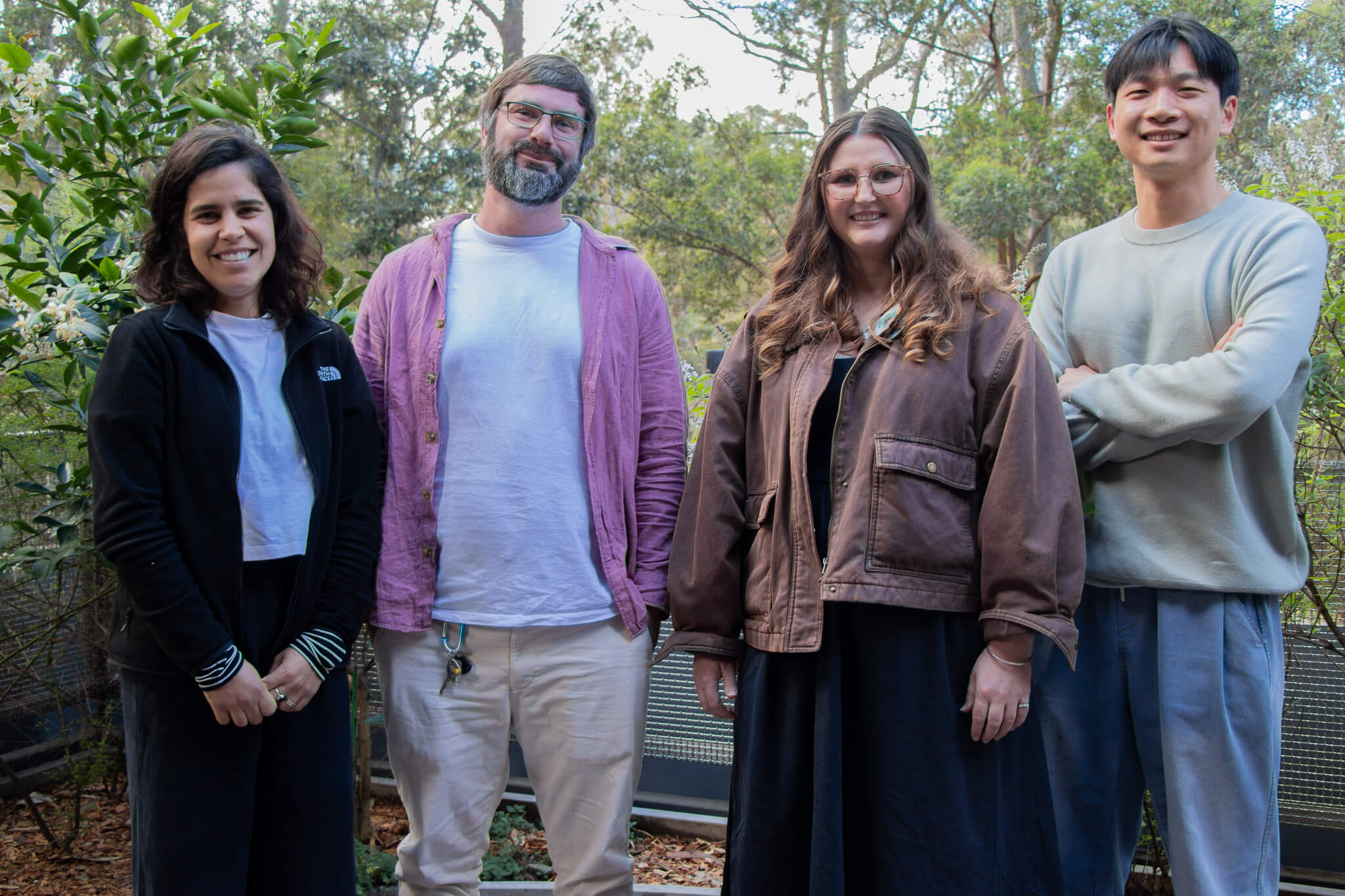
From left to right: Dr Marcella Papini, Dr Kyle Harrison, Found Power CEO/Founder Chelle Norris, Postdoctoral Fellow Siping Chen
TRaCE Enterprise Academic Fellowships are aimed at driving research translation and commercialization outcomes while supporting the professional development and career progression of academics.