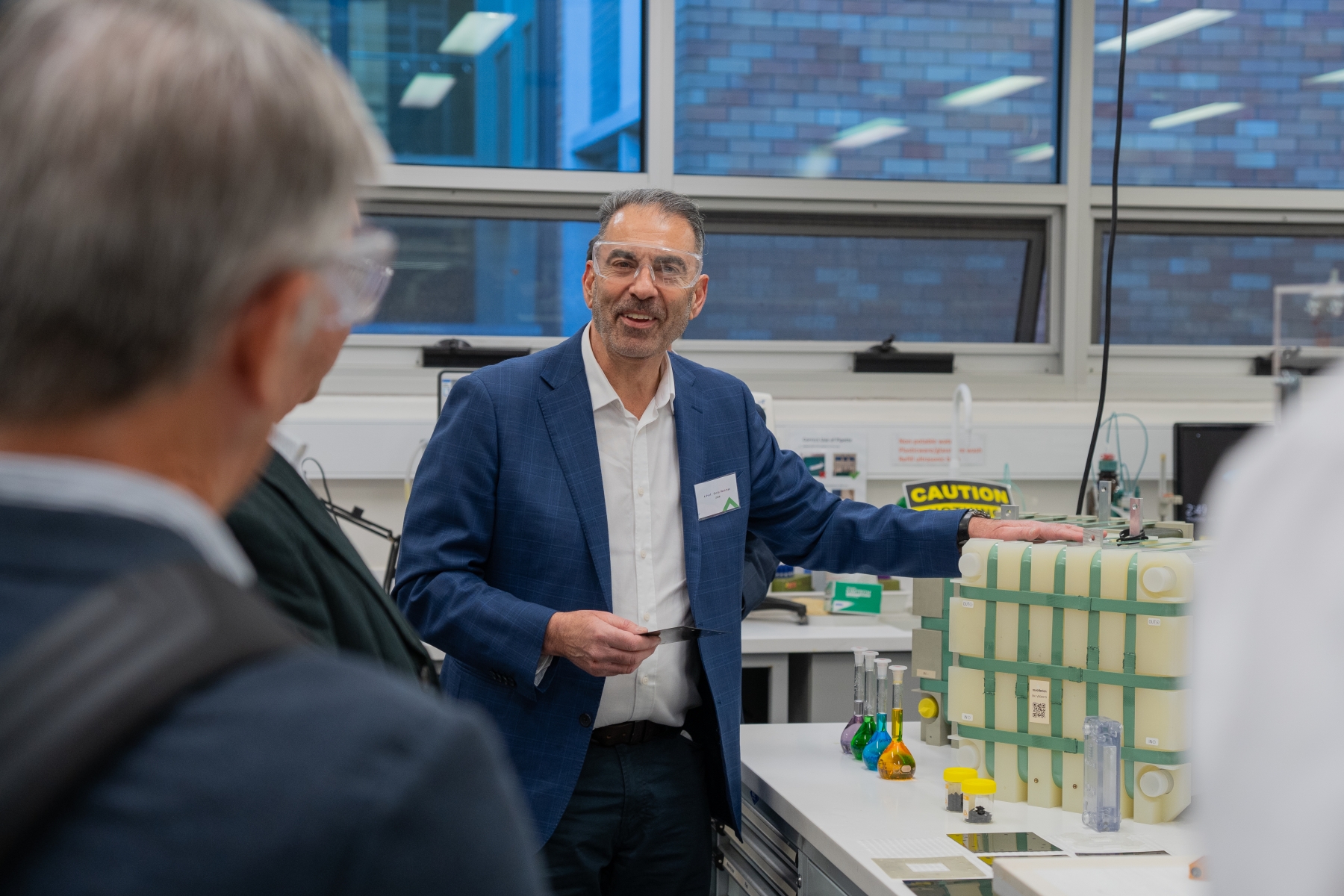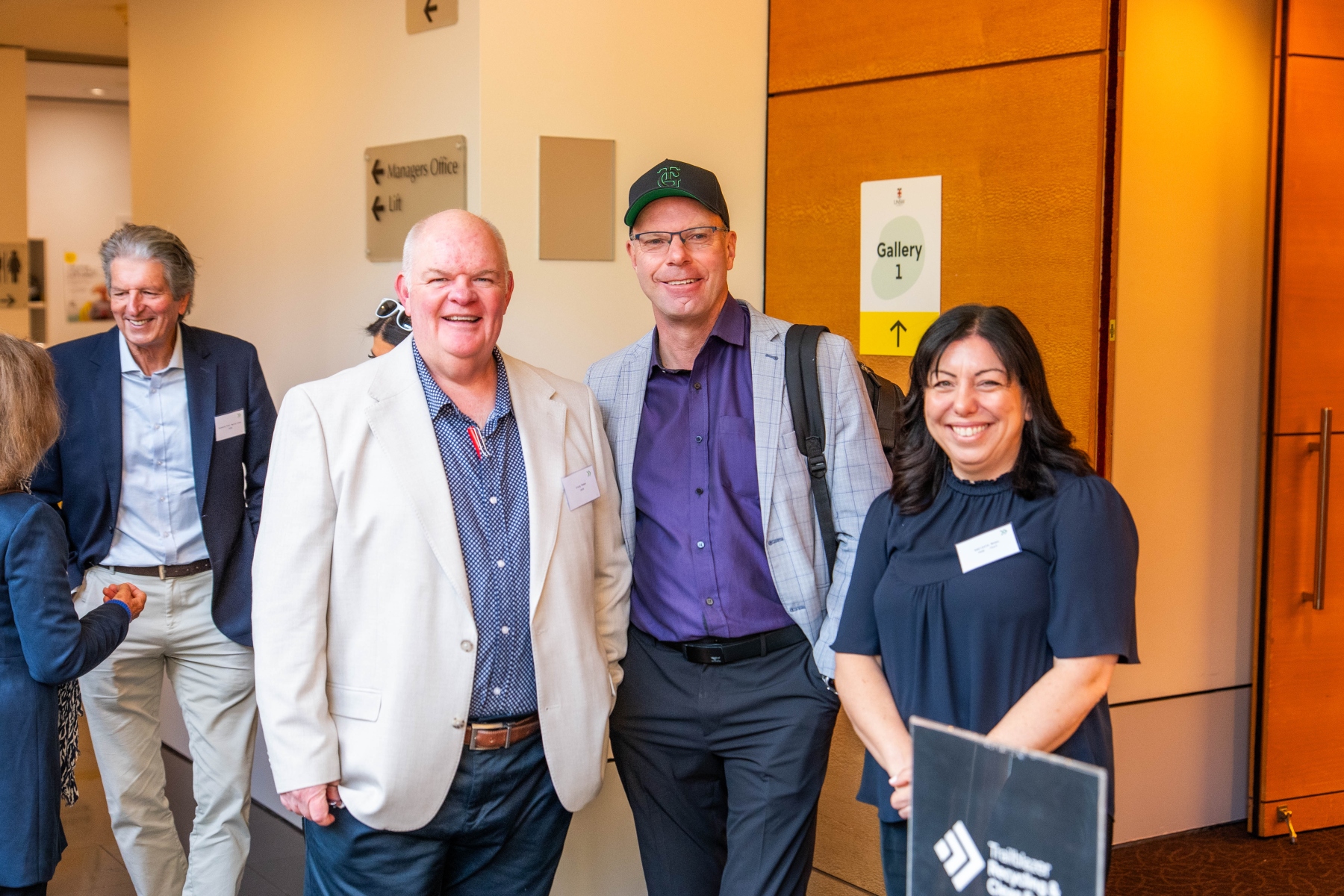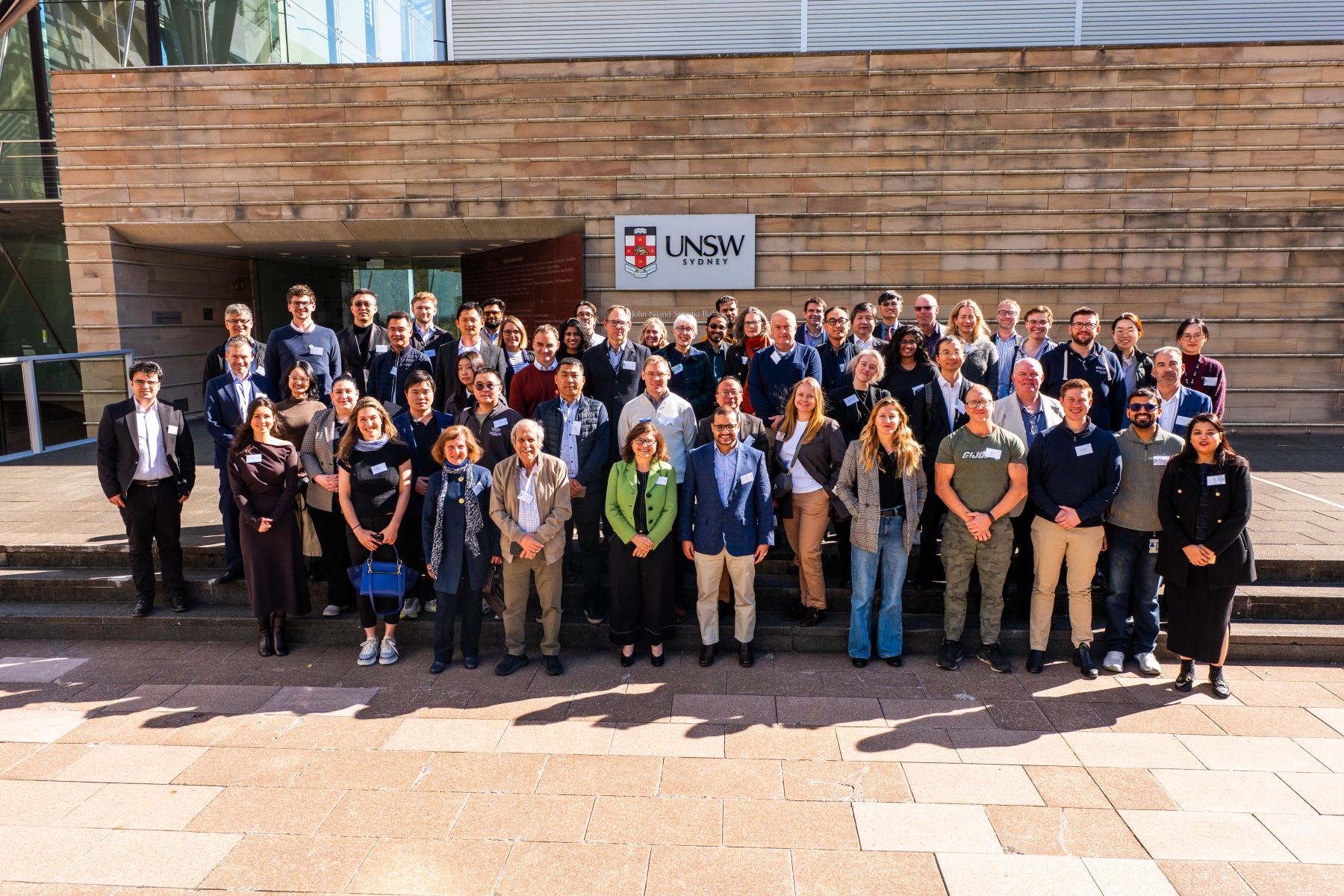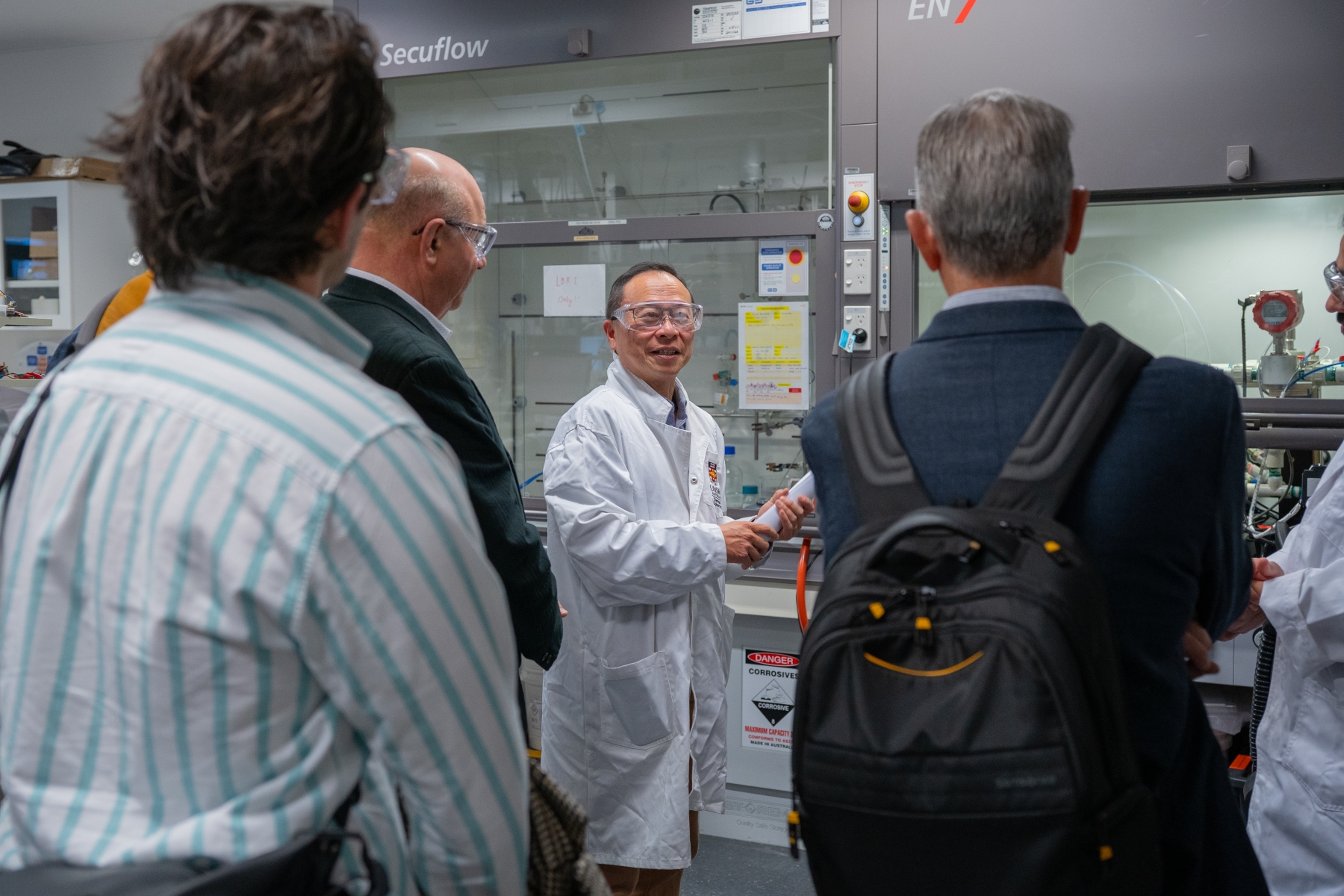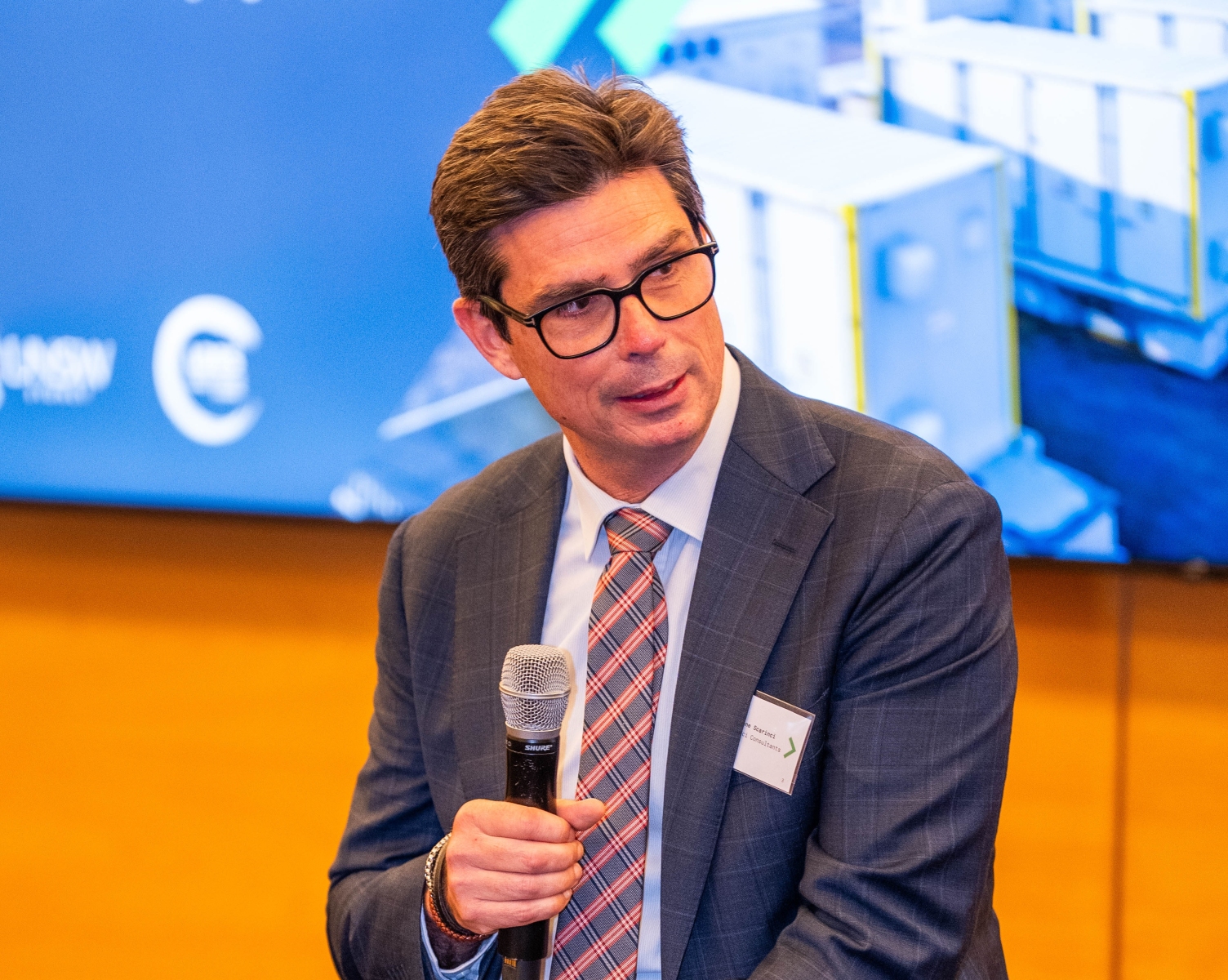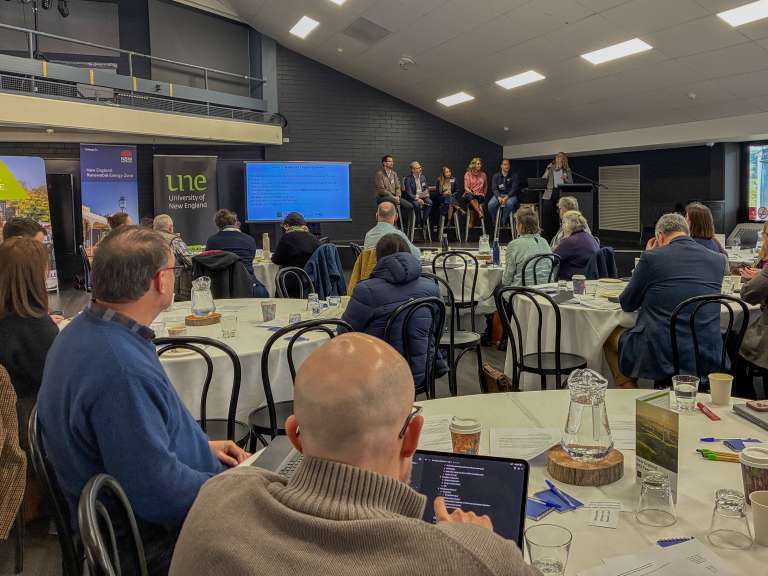

To help accelerate the commercial deployment of long-duration energy storage (LDES) in Australia, TRaCE partnered with the Long Duration Energy Storage (LDES) Council to bring together leading researchers, industry, government and investment leaders to explore the technologies, partnerships and policy settings needed to make LDES commercially viable in Australia.
Across the presentations and panel discussions, five key themes consistently emerged.

-
Australia’s renewable future depends on long-duration storage
Australia is rapidly increasing its share of renewable generation, but speakers agreed that solar and wind alone cannot deliver a reliable electricity system. As renewable penetration grows, the challenge shifts from generating clean electricity to ensuring it is available whenever it is needed.
While lithium-ion batteries have transformed short-duration storage and grid services, they are not designed to economically deliver the eight, ten or even twenty-four hours of storage that will increasingly be required to firm renewable generation, improve grid resilience and reduce curtailment.
Beyond the electricity network, speakers also highlighted growing demand from industrial decarbonisation, remote mining operations and data centres, all of which will require reliable, long-duration energy storage solutions.
-
The technologies are here. The challenge is deployment.
One of the strongest messages throughout the day was that LDES is no longer waiting for a technological breakthrough.
Companies including Rongke Power, Antora Energy, Energy Vault, Rondo Energy, Sumitomo SHI FW and Idemitsu demonstrated that multiple commercial technologies are already being deployed around the world from vanadium flow batteries and liquid air energy storage to thermal energy storage.
The next hurdle is creating the market conditions that allow these technologies to scale through commercial projects.
As several speakers noted, the conversation has shifted from proving that LDES works to proving how quickly it can be deployed.
-
Australia has everything it needs to build an LDES industry but only if it acts
Professor Martin Green reflected on the solar industry’s success, explaining that breakthrough research alone was never enough. Solar reached global scale because research, manufacturing, policy, investment and international partnerships all aligned over several decades.
Professor Maria Skyllas-Kazacos shared a similar perspective through the history of the vanadium flow battery, a technology invented at UNSW nearly 40 years ago but only now reaching the scale that global renewable energy systems demand.
Australia enters this next chapter with major advantages: world-leading research capability, abundant renewable resources and some of the world’s largest vanadium reserves. The opportunity now is to capture more of the value chain through manufacturing, supply chains and commercial deployment.
-
Policy and market reform will determine how fast LDES scales
A recurring theme across the forum was that today’s electricity markets largely reward energy arbitrage, while many of the broader services provided by long-duration storage remain undervalued.
LDES technologies can strengthen grid stability, improve resilience, defer expensive transmission upgrades and support higher renewable penetration. Yet many of these benefits are not adequately recognised within current market mechanisms.
Several speakers argued that greater policy certainty, procurement pathways and investment frameworks will be essential to unlock private capital and accelerate deployment.
-
Collaboration not competition will accelerate the transition
No single technology will solve every energy storage challenge. Success will depend on strong partnerships between universities, industry, government and investors to accelerate pilot projects, commercial deployment and ongoing innovation.
As the evolution of solar demonstrated, innovation doesn’t stop once a technology reaches the market. Decades of continued R&D helped improve performance, reduce costs and enable global deployment. The same long-term commitment will be essential for long-duration energy storage, with universities such as UNSW continuing to play a key role alongside industry partners.