
For Toiata Uili, pursuing a PhD is about more than research. It is about ensuring Samoan communities have a voice in shaping the future of clean energy.
A Samoan woman with almost two decades of experience in water resource management, climate change and international negotiations within the Government of Samoa, Toiata has spent her career working at the intersection of policy, sustainability and community wellbeing.
Her PhD builds on that experience, exploring how local communities perceive and experience Samoa’s transition to renewable energy. Through her research, she is examining how the principles of a just transition can help ensure Samoa’s clean energy future is fair, inclusive and grounded in local culture and values.

Research with a purpose
The inspiration behind Toiata’s research is deeply personal.
“As a Samoan woman, I’ve always had a strong connection and responsibility to contribute and help my community and people,” she said.
Throughout her career, she has seen how international climate and energy decisions can have profound impacts on local communities. She hopes her research will help elevate the experiences, knowledge and priorities of Pacific communities, ensuring they are reflected in future research, policy, and decision making.
“This research gives me an opportunity to document and amplify the voices of Samoan people, ensuring their experiences, perspectives and aspirations are heard,” she said.
“It also allows me to contribute professionally by helping shape more equitable and culturally grounded approaches to the clean energy transition of Samoa and across the Pacific region.”
Her research comes at a pivotal time for Samoa. While the country has committed to ambitious renewable energy targets and is increasing its use of clean energy sources, there has been limited research into how communities experience this transition and what it means for their daily lives.
A Pacific perspective on energy transition
As a Small Island Developing State (SIDS), Samoa faces unique challenges and opportunities in the shift toward renewable energy. For Toiata, ensuring local voices are part of these conversations is essential.
“Samoan communities and all other SIDS are living the realities of climate change every day,” she said.
“We are the frontline to rising sea levels, extreme weather events, and other climate impacts, yet our perspectives are often underrepresented in broader discussions about energy transition and climate actions.”
Through interviews, focus groups and community engagement across villages on both Upolu and Savai’i, her project seeks to understand how clean energy initiatives are experienced on the ground and how communities can play an active role in shaping the transition.
Connecting through TRaCE
Toiata first discovered TRaCE during a visit to Newcastle in 2024. As she learned more about the program, she saw a strong alignment between TRaCE’s focus on clean energy transitions and her desire to explore the human dimensions of energy change in Samoa.
“What attracted me most was TRaCE’s commitment to bringing together industry, researchers, communities, and policymakers to address real-world challenges,” she said.
“The program offers an interdisciplinary approach and access to expertise that is highly relevant to supporting energy transition pathways in SIDS like Samoa.”
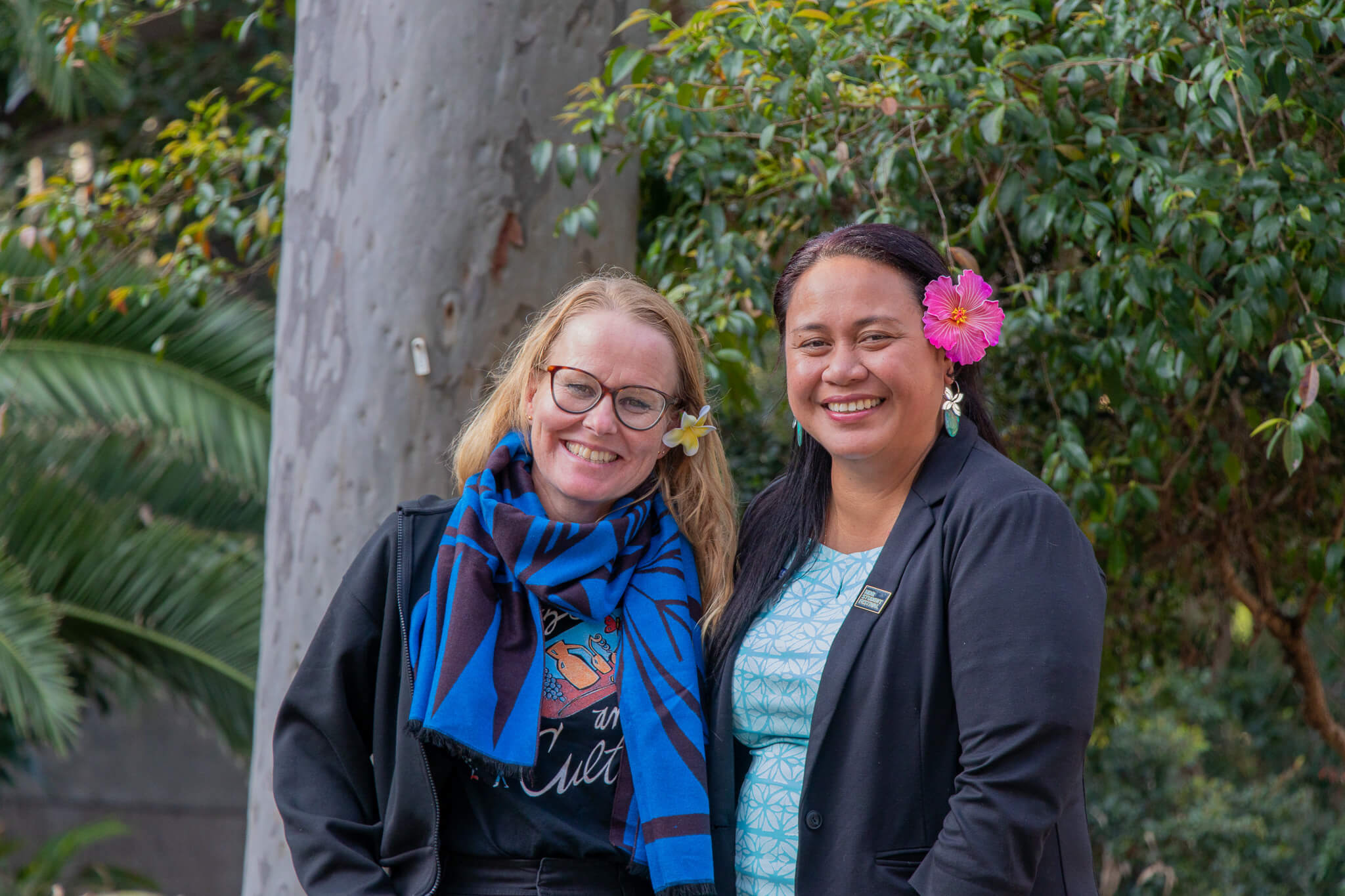
Under the supervision of Associate Professor Hedda Askland and Dr Sascha Fuller, Toiata has developed a research project that centres community voices and real-world impact. Working closely with the supervisory team has reinforced the value of collaborative, community-engaged research and provided guidance in navigating the intersection of policy, culture and sustainable development.
Since commencing her PhD, Toiata says TRaCE has transformed her understanding of what doctoral research can achieve.
“TRaCE has helped me see a PhD as more than an academic qualification. It has shown me how research can have practical impacts beyond universities by informing policy and supporting meaningful change for communities.”
The program has also created opportunities to engage with experts, industry and policymakers that extend well beyond her own discipline.
“Without TRaCE, I would have missed the opportunity to engage with leading experts and practitioners working in clean energy transition,” she said.
Putting people at the heart of the transition
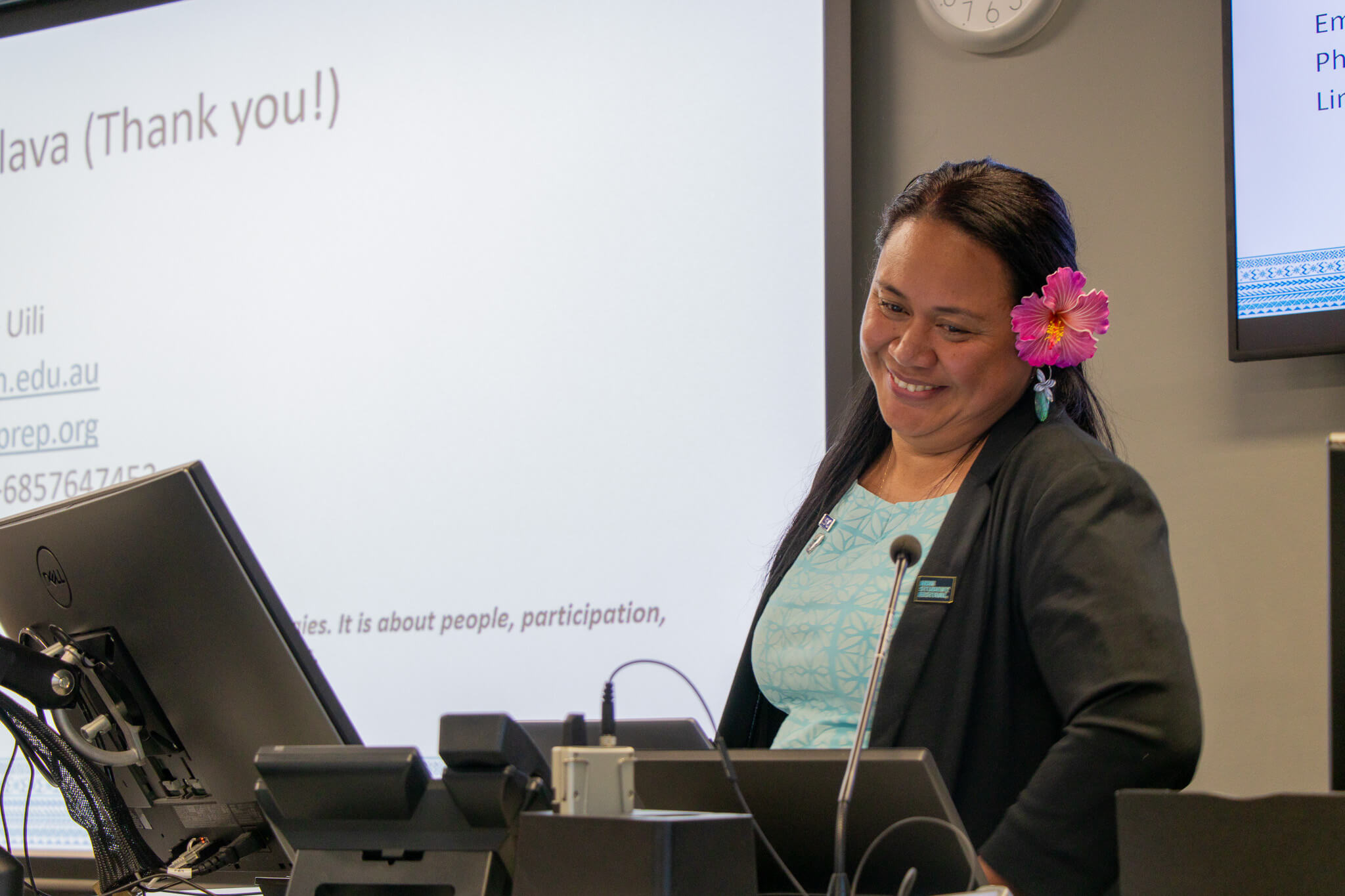
At the heart of Toiata’s PhD is a simple but powerful message: successful energy transitions are about people as much as technology.
If given one minute with Samoa’s energy decision-makers, she would emphasise that achieving renewable energy targets alone is not enough.
“A successful just energy transition is not only about renewable energy technologies or achieving emissions reduction targets. It is also about people, participation, culture, community, and fairness.”
She believes communities should be active participants in shaping the transition, rather than passive recipients of policy decisions.
“If we want a truly sustainable and lasting transition, we must ensure that local voices are heard, cultural values are respected, and the benefits of renewable energy are shared fairly across society.”
TRaCE partners with supervisors, industry and government to support industry-engaged HDR students delivering practical impact. Find out more about our HDR program here.