

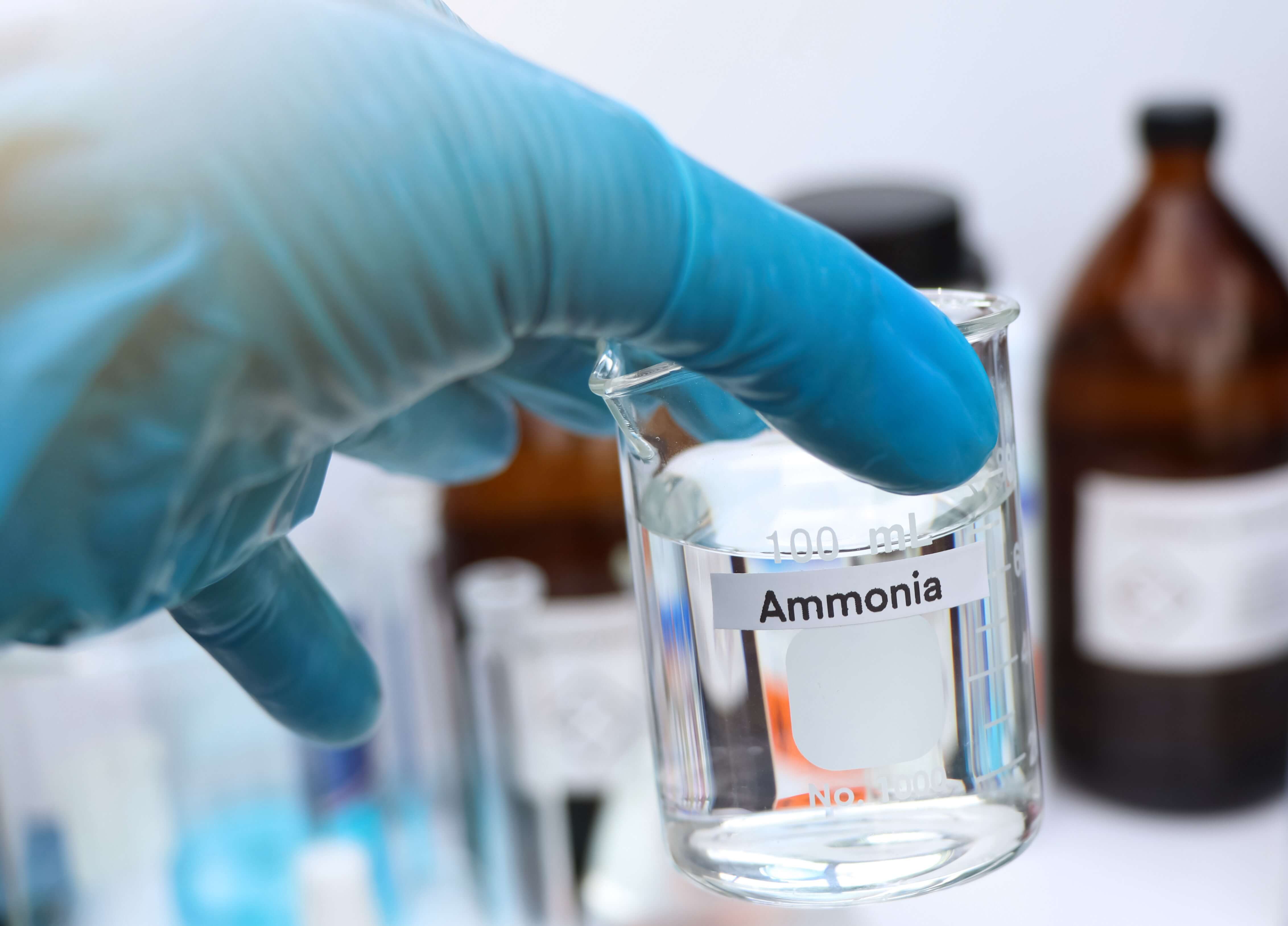
University of Newcastle researchers have joined forces with industry to make green ammonia more accessible, enabling the production of zero carbon fertilizer and reducing the environmental impact of agriculture.
Ammonia is a popular commodity often used as an energy carrier and ingredient in fuel and fertiliser. The product can also store renewable energy, which can then be used as a fuel or chemical feedstock when renewable energy is not readily available.
At the University of Newcastle, Laureate Professor Behdad Moghtaderi and his team at the Centre for Innovative Energy Technologies have partnered with AMMONIAC, a company focused on emerging hydrogen technologies.
Their project, AMMONIAC: a chemical looping-based process for production of green ammonia, has created a new production process that is simpler, more cost effective and environmentally friendly than conventional methods.
Ammonia’s current production processes account for around 2% of the world’s annual energy consumption. Crucial to many industries from energy to agriculture, demand for ammonia is expected to grow due to the expanding global population.
To reach net zero by 2030, we need a viable alternative.
“What we’re hoping to achieve with this project is a paradigm shift in the production of green ammonia in terms of both technical difficulty and cost,” Laureate Professor Moghtaderi said.
“Once we can prove the technology for this particular project, we expect that our process will become the norm globally for the production of green ammonia.”
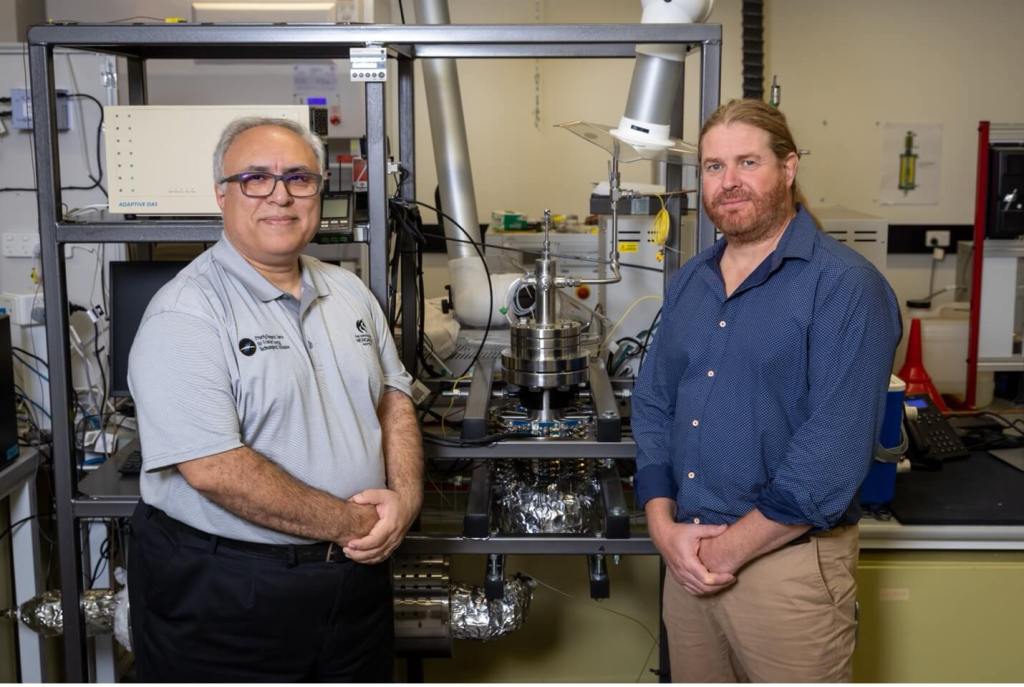
For AMMONIAC founder and managing director Phil Mathews, the research contract is a significant milestone in Australia’s journey towards creating new solutions for a sustainable, cleaner and greener future.
“Since Laureate Professor Moghtaderi first contacted AMMONIAC to enquire about gaseous hydrogen storage, we’ve built a solid relationship and are now working on a raft of novel technologies that could reshape the future of fuel and energy as we know it,” he said.
The AMMONIAC process involves the synthesis of atmospheric nitrogen and renewable hydrogen feedstocks into ammonia using renewable energy.
The TRaCE-supported project comprises:
- Developing and validating a proof-of-concept prototype in Newcastle.
- Constructing, commissioning and operating a 10-tonne/day reference plant in Queensland.
- Prototyping workshops to speed up the development of the AMMONIAC technology through testing across various applications until it is ready for market.
By transforming how ammonia is produced and reducing some of the costs and emissions associated with this essential commodity, AMMONIAC has the potential to impact many global industries and contribute to net zero goals.
Read more about the AMMONIAC project here.


