
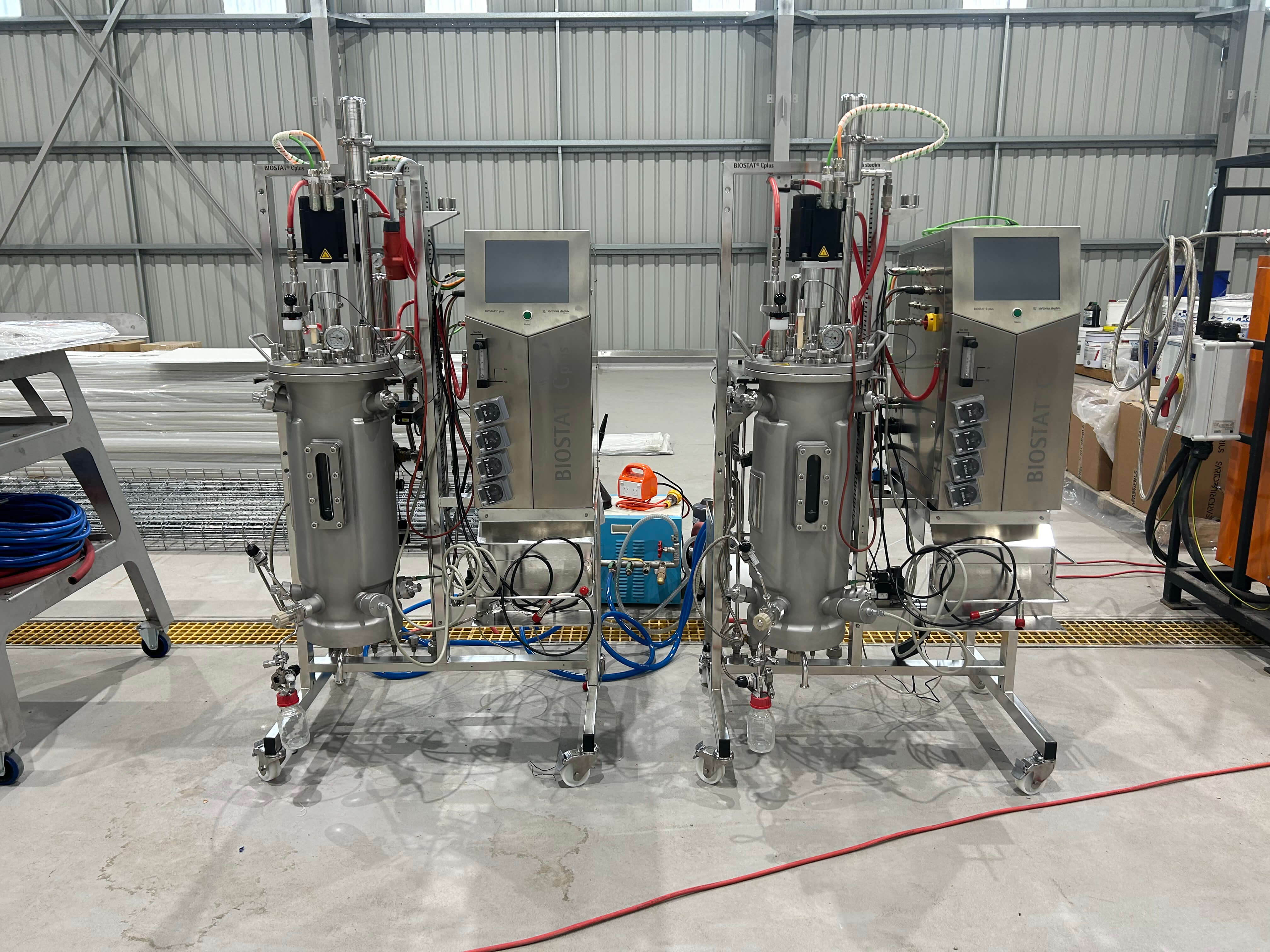
A PhD candidate at the University of Newcastle is working with biofuel experts at Ethanol Technologies (Ethtec) to investigate a way to turn agricultural waste into bioethanol more efficiently and at a lower cost.
Bioethanol is a renewable and low-carbon fuel sought after in industries like transportation looking to become more sustainable. However, the traditional method for making bioethanol relies on food crops, requiring a massive amount of arable land and valuable resources that could otherwise been used to nourish people and animals.

TRaCE PhD Project
With the support of the Trailblazer for Recycling and Clean Energy, Ethtec are investigating an alternative process called ‘second-generation bioethanol production’, which creates bioethanol from inedible agricultural waste like woodchips and rice husks.
Biological Sciences PhD Candidate Kellie Ashton, supervised by Associate Professor Ian Grainge, will work with Ethtec to engineer a yeast strain that will make the fermentation process of bioethanol production quicker and more resource efficient.
“At Ethtec, our goal is to overcome the barriers to widespread use of ethanol as fuel. Since we partnered with the University to build the Hunter Pilot Biorefinery, we’ve been taking our method for bioethanol production closer towards market readiness. Kellie’s research will play a key role in this by helping us make our process more cost-efficient.”
– Professor Peter Lewis, Ethtec Senior Biotechnologist.
The fermentation process of bioethanol uses microorganisms, commonly yeast, to convert the sugars from the waste into ethanol, which is then distilled into fuel.
“I hope our research into engineered yeast will help Ethtec move this technology towards commercial production. I think the process has enormous potential to contribute to more sustainable practices and economic growth in the energy sector.”
– Associate Professor Ian Grainge
In addition to bioethanol, the yeast can be engineered to produce other high value chemicals. For example, it can currently produce an alternative sweetener as a by-product of the fermentation process, not unlike what you’d find on supermarket shelves.
The team aims to take the fermentation process from the lab to Ethtec’s Hunter Pilot Biorefinery in Muswellbrook, NSW, where they will refine the technology with an aim to streamline it for full commercial deployment.
“The support from Ian and Ethtec as I begin my PhD project has been invaluable. While we’ve only just begun, I’m looking forward to the hands-on industry experience I’ll get testing the product at a larger scale in the Biorefinery.”
– Kellie Ashton, PhD Candidate at the University of Newcastle
By finding new avenues for agricultural waste, saving land and producing valuable by-products, the project has real potential improve how biofuels are produced, fast-tracking the transition to a net-zero economy.
Get involved in our PhD Program
We’re connecting researchers and industry to co-design sustainable solutions that are fit for commercial purpose and market ready.
If you have an idea for or would like to support a PhD project that will help fast-track net zero, get in touch at hello@trace.org.au