Australia is feeling the heat in its search for reliable renewable energy resources. Northstar Energy collaborated with TRaCE and the University of Newcastle on a new, low-cost base load renewable energy solution.
Hydrothermal energy is harnessed from natural underground pockets of water heated by geothermal resources. The heat can then be used to generate renewable electricity.
“It can provide power around the clock,” said Mr Paul McKenna, Executive Chairman of Northstar Energy.
“Hydrothermal energy doesn’t have the same issues with intermittency, weather, transmission and storage that you have with solar and wind. It is the game changer in renewables that Australia has been looking for.”
In the past, much of the focus of the Australian geothermal industry has been on harnessing heat from the so-called ‘Hot Dry Rocks’ (HDR) resources, which lack abundant groundwater.
With the help of TRaCE, Northstar Energy are taking a different approach to producing base load renewable energy.
They are testing a technology that can generate power from shallow hydrothermal sandstone reservoirs. These naturally occurring porous and fractured rocks trap hot water beneath the Earth’s surface.
Full steam ahead
Northstar Energy plans to produce up to 1 Gigawatt of base load renewable energy from a network of scalable hydrothermal energy projects under what they call Project Australis.
Their tenement position covers in excess of 33,000 km² of land in Queensland that has been granted for hydrothermal exploration.
“We are co-located with the coal and gas industry which gives us a real opportunity to help them decarbonise,” said Mr McKenna.

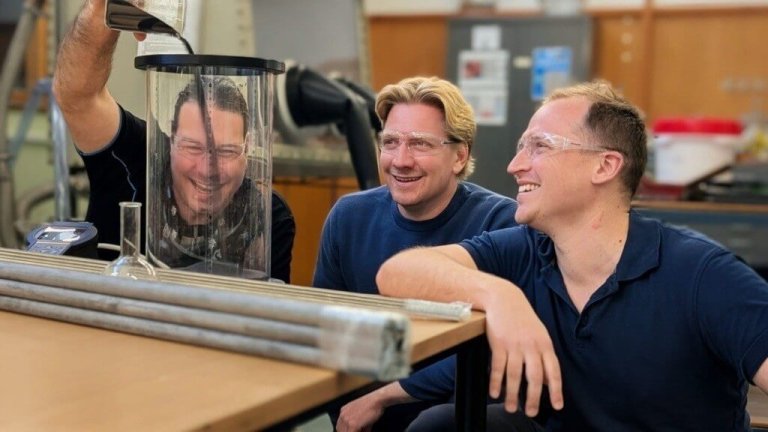
From L-R: Associate Professor Elham Doroodchi, Northstar CEO Mr Matt Cooper, Laureate Professor Behdad Moghtaderi, Dr Jafar Zanganeh and Dr Babak Mokhtarani.
The TRaCE collaboration: Validating a new technology
The Northstar Energy team plans to use Organic Rankine Cycle (ORC) based processes to produce electricity. The ORC uses a liquid with a lower boiling point than water as its working fluid. This complements the available temperature ranges of their identified sites.
Northstar worked with our researchers to determine how practical the process to optimise existing ORC technology and how much it would cost.
University of Newcastle researchers Associate Professor Elham Doroodchi and Laureate Professor Behdad Moghtaderi are globally recognised for their contribution to geothermal energy research and understanding of ORC technology.
“The University of Newcastle’s Newcastle Institute for Energy and Resources (NIER) was the perfect partner for Northstar Energy by virtue of the ground-breaking work it has done in the past supporting the commercialisation of ORC generation technology for low-grade heat sources as evidenced by the GRANEX project,” said Northstar CEO Mr Matt Cooper.
The TRaCE team awarded a TRaCE R&D voucher project to Northstar Energy for works undertaken at NIER to assist them with determining the viability of using ORC-based processes at its sites.
“The TRaCE admin support was fantastic. It made the project application process quite seamless because it was done in collaboration between TRaCE, Northstar Energy and the University,” said Mr Cooper.
The TRaCE R&D Voucher project proved that hydrothermal energy generation is technically and commercially viable for producing baseload renewable energy. The results showed that this technology is competitive even with existing coal-fired power generation.
“This project is of enormous importance for powering Australia’s transition to net zero and the Australian renewable energy sector as it shifts the deliverability from challenging HDR resources to more suitable hydrothermal resources, which in my opinion are the low-hanging fruits,” said Associate Professor Doroodchi.
“Harvesting heat from hydrothermal resources is generally easier because of the existing water. Although they tend to have lower temperatures as they typically exist in shallower depths. This would have been a roadblock if a conventional solution was adopted.
However, the combination of a novel ORC-based process that we have selected for Northstar and cost-effective well completions, means adequate power can be generated at very competitive prices compared to fossil fuel-based electricity.”
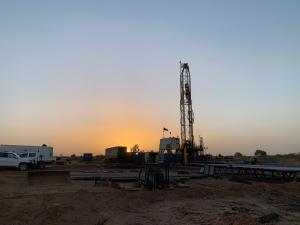
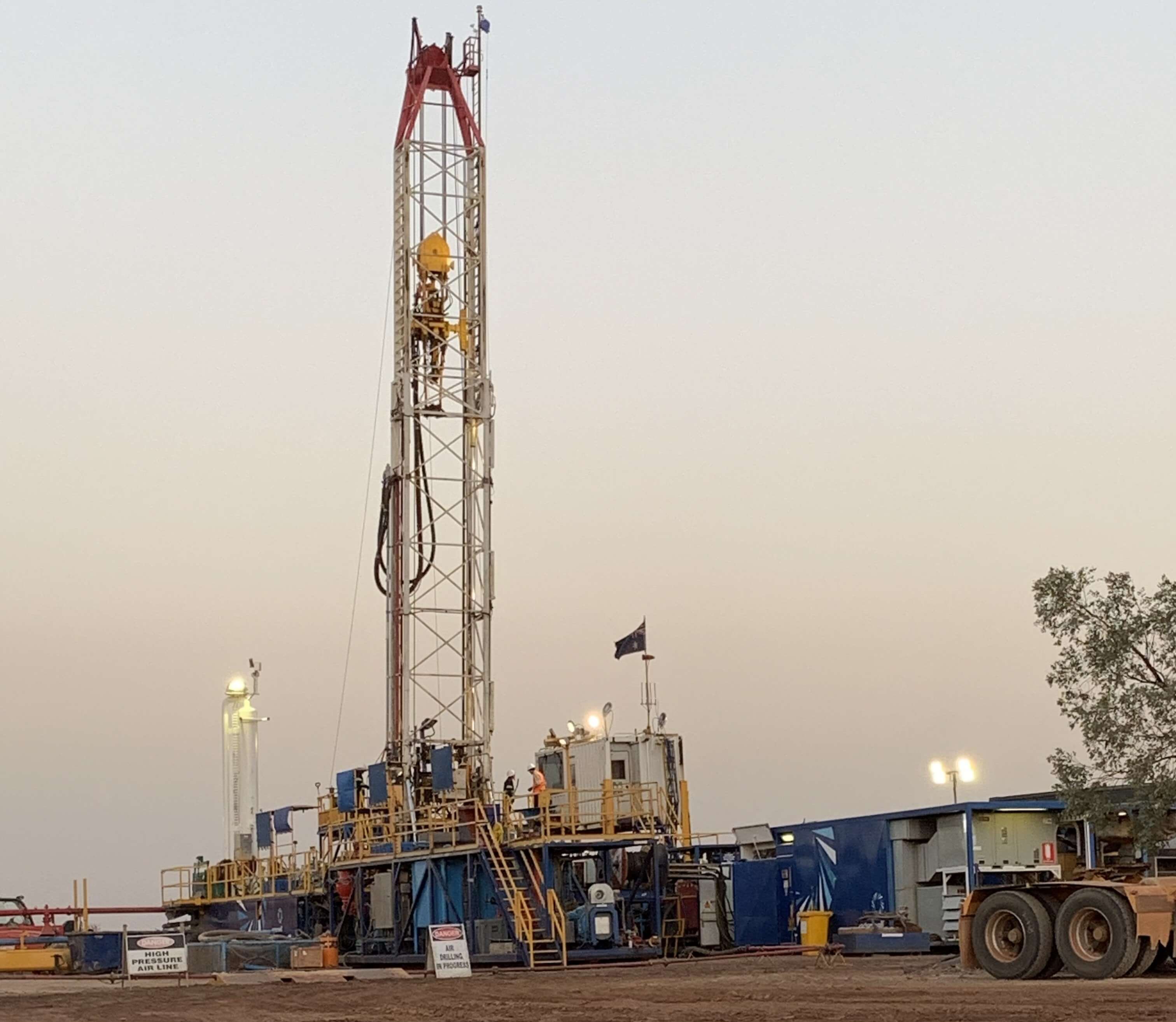
Photo credit: Northstar Energy.
The next phase: Demonstrating viability on an industrial scale
Encouraged by the findings of the TRaCE R&D Voucher project, Northstar Energy has identified a preferred site for a hydrothermal pilot plant and is preparing to embark on the next phase of Project Australis.
This phase involves a speed-to-market strategy to demonstrate the viability of hydrothermal energy generation as a source of baseload power on an industrial scale.
The research team at NIER is excited about the possibility of continuing to develop the technology with Northstar Energy.
The TRaCE R&D Voucher program provides small-to-medium enterprises, start-ups, and scale-ups with access to co-designed and co-funded R&D projects in recycling and clean energy sectors. Complete the EOI Form to get started.