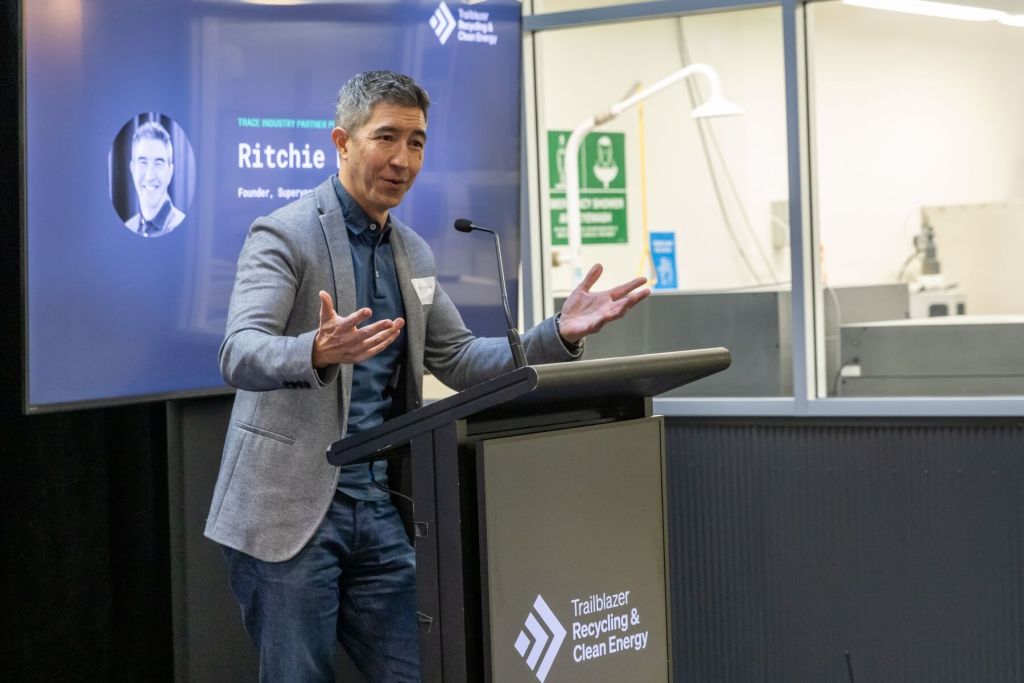
Australia’s construction and infrastructure sectors generate vast volumes of surplus materials, many of which go unused and ultimately end up in landfill. For Ritchie Djamhur, founder of Superyard, this wastage presented a clear opportunity.
Originally launched as a free marketplace for leftover building materials, Superyard began as a simple idea: make it easier to share leftover construction materials so others can use them instead of throwing them away. While initially designed on a small scale for home DIYers, interest soon emerged from larger companies including event organisers and construction companies looking to offload usable materials at scale.
The turning point came after the 2023 Melbourne Cup when Superyard was tasked with redistributing leftover event infrastructure, like carpet, plywood, and untreated pine, that could otherwise be sent to landfill. That ongoing project helped jumpstart Superyard’s involvement in large-scale material reuse and highlighted the growing demand for smarter systems to track, manage, and redistribute surplus resources.
Tackling resource visibility
As Superyard’s reputation grew, major construction firms began to take notice. Companies like Fulton Hogan, with multiple major infrastructure projects, often hold surplus materials in warehouses – but those materials are frequently undocumented, informally tracked, or only known to a single warehouse manager. Without clear inventory data, new materials are routinely ordered for each job, compounding cost and waste.
Superyard decided to develop a solution to this challenge. They envisioned a system that could capture images of surplus materials, use AI to estimate dimensions, weight, and material type – all through image recognition – and then have those details verified for accuracy. While asset management systems have existed for a long time, few are tailored specifically to construction materials combined with user-friendly marketplace features, and none offer the functionality that Superyard is working to deliver. Through ongoing conversations with industry, it was clear to Superyard that companies want a reliable, internal marketplace to manage surplus assets, with the flexibility to trade them externally when appropriate.
“Surplus materials are often treated as a problem to be stored or discarded, when in reality they’re an untapped asset,” said Ritchie.
“With Superyard, construction companies can run their own internal private marketplace, unlocking the value in these resources: reducing procurement spend, cutting time to source, and preventing materials from sitting idle. All this while achieving the best outcome from a sustainability perspective – keeping them out of landfill.”
With the knowledge that they had a valuable idea to help industry in sustainable ways, Superyard approached the University of Newcastle to seek help developing the technology. While the initial focus was on logistics and inventory, Superyard recognised the future of materials reuse lay in data-driven sustainability.
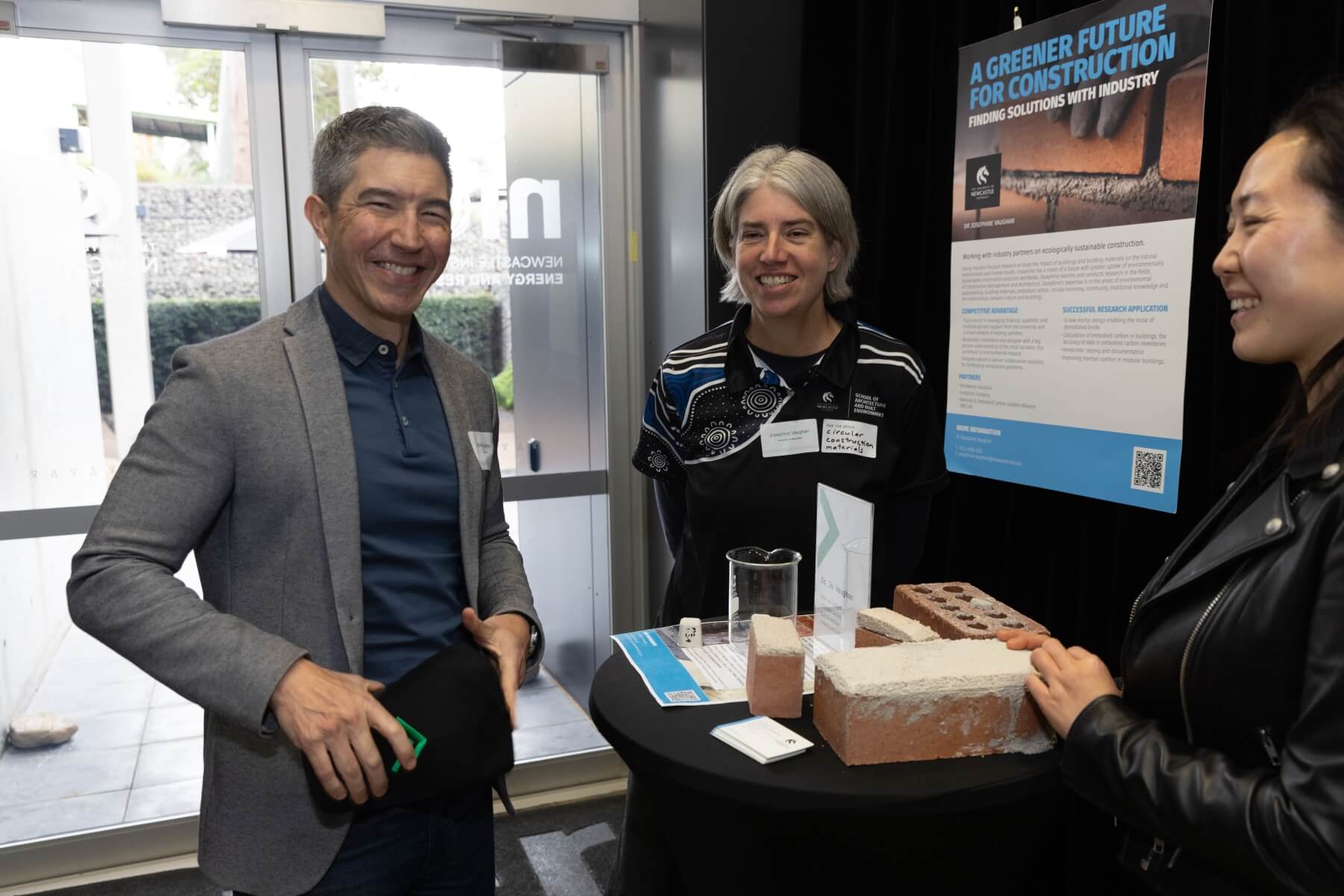
Dr Josephine Vaughan, a researcher who works closely with industry partners on ecologically sustainable construction, had been developing a materials database to capture sustainability metrics and saw a strong alignment with Superyard’s goals. She asked Superyard an important question: “do you know the environmental impact of the materials you’re helping to reuse?” Her point was clear – the data needed to go beyond dimensions and quantities.
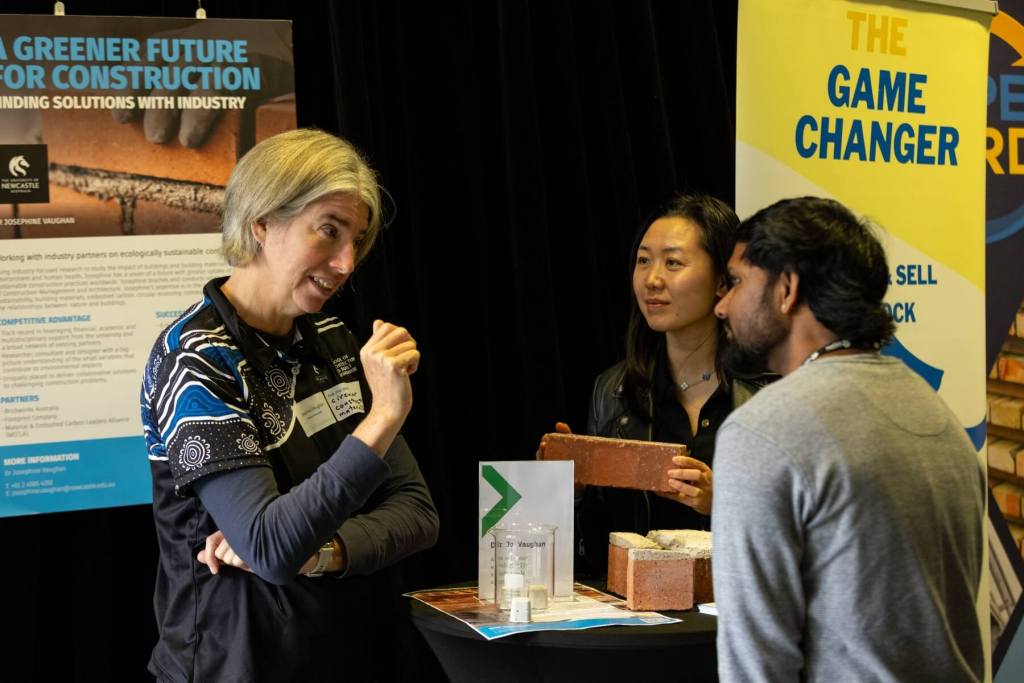
Metrics on embodied carbon and human health impacts needed to be included on the SuperGroup platform because these are critical factors for companies aiming to improve their environmental footprint. These metrics also aid companies to meet new and existing sustainability regulations and policies. Superyard quickly realised this full suite of information was not readily available – but it needed to be. Together with Dr Vaughan, they began scoping a joint solution that would integrate this data into the SuperGroup platform.
This vision led them to being awarded a TRaCE R&D Voucher project, collaborating with Dr Vaughan to develop their ‘SuperGroup’ platform.
“Industry leaders who are future-focussed want to understand the impacts of building materials on the natural environment and human health, but there are very few ways to find and share this information. Superyard realised the benefit of providing this information to their SuperGroup partners.”
– Dr Josephine Vaughan, University of Newcastle
“Luckily for Superyard, my work developing and testing material databases can adapt to help their platform. Superyard are engaged with an often-ignored part of the construction process, and I’ve been excited to discover this new area to expand my work into,” said Dr Vaughan.

A new way to manage surplus materials and embrace a changing regulatory landscape
Superyard is now three months into their project, supported by key partners including Lake Macquarie City Council and Fulton Hogan. The pilot project is focused on expanding the SuperGroup platform, a tool designed to help companies track surplus construction materials, measure environmental impact, and enable more efficient materials reuse.
“We’re fortunate to work with pioneering partners who are showing what’s possible when innovation is applied to one of the world’s oldest industries,” said Ritchie.
“Their embrace of a circular economy mindset demonstrates how smart solutions can unlock value, reduce waste, and set a new standard for what’s achievable in construction.”
Unlike traditional asset management systems, SuperGroup is being designed specifically for construction materials, with a focus on ease of access, regulatory alignment, and circular economy benefits. Current and expected regulations and certifications require companies to report on the sustainability of materials used, including embedded carbon, environmental impact and human health effects.
The SuperGroup platform is being designed with these standards in mind. Using data and feedback from the pilot program, Superyard are working with Dr Vaughan to build out the materials database and integrate new indicators that reflect both environmental outcomes and emerging compliance requirements.
The project represents a major step forward for materials reuse in Australia. By combining inventory tracking with verified environmental data, Superyard is creating a scalable model for sustainable construction material management – one that meets real industry needs while delivering measurable environmental outcomes.
For more information on how you can get involved in the TRaCE program, visit trace.org.au or contact hello@trace.org.au.