Supporting academics to commercialise research
 Through a self-defined roadmap, fellows receive salary support (6 months to 3 years) to focus on industry engagement and commercialisation.Projects are aligned with TRaCE’s research themes: solar technologies, clean energy, green fuels, and circular economy.Commercialisation pathways can include developing industry IP, licensing university IP, forming spin-out companies, or launching startups.
Solar performance intelligence
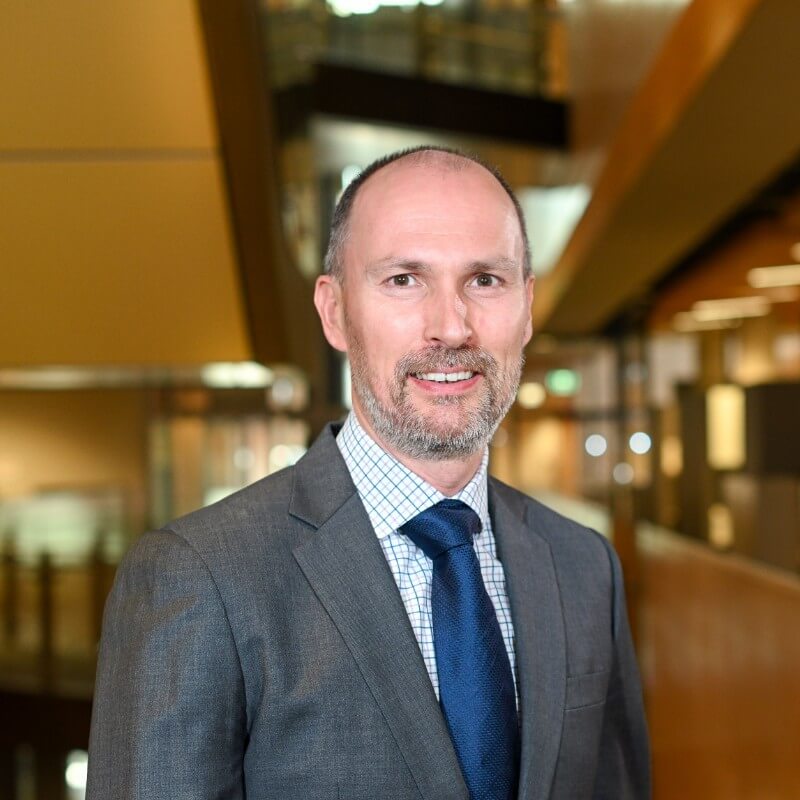
Professor at UNSW & Co-founder of Foresight PV
Bram Hoex is an internationally renowned professor and researcher at UNSW, specialising in photovoltaic and renewable energy engineering. With a PhD in Applied Physics, his groundbreaking work is used in over 90% silicon solar cells globally. His contributions have been recognised by prestigious awards, including the SolarWorld “Junior Einstein” and the Leverhulme “Technology Transfer” Awards. His passion for innovation and practical solutions drives his mission to revolutionise the solar energy industry.
Bram is tackling two critical challenges in the solar energy sector: accurately predicting solar power plant performance and enhancing the long-term durability of solar panels. These factors are essential for ensuring financial viability, operational efficiency, and long-term sustainability in large-scale solar projects.
Bram and his team are developing a cutting-edge software that provides high-precision first-principle-based energy yield modelling for solar power plants, allowing operators to predict performance with unmatched flexibility. This technology helps optimise system design and financial forecasting. In addition, his team is advancing accelerated testing methods to assess solar cell and panel longevity. These tests simulate years of wear and tear in a short period, allowing short cycle times to test different configurations and detailed root cause analysis, ensuring panels meet and exceed warranty expectations. By combining software-driven insights with advanced durability assessments, his work is improving both the reliability and economic viability of solar energy investments worldwide.
By providing data-driven decision-making tools, Bram’s innovations help solar companies reduce financial risks, improve efficiency, and extend the lifespan of solar installations, all informed by fundamental understanding. These advancements can accelerate the adoption of solar energy worldwide, driving a cleaner and more sustainable future.
Electrochemical methods
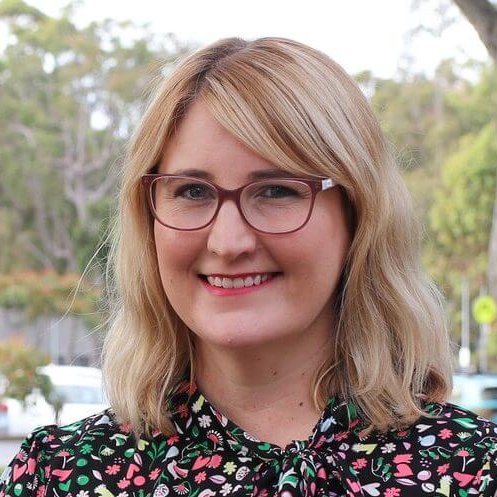
Senior Lecturer at the University of Newcastle
Dr Jess Allen is a chemical engineer at the University of Newcastle interested in green metals and electrochemical technology development. Jess completed her PhD in chemistry with the CSIRO Energy Centre, Newcastle. She has received several accolades for her research, including the Australian Research Council Discovery Early Career Research Award in 2021 and the Young Tall Poppy Science Award in 2023 for her outstanding contribution to science communication.
The industrial production and recycling of critical metals such as iron, aluminium, silicon, and tin are traditionally energy-intensive processes that contribute significantly to global carbon emissions. Despite growing demand for greener alternatives, there is also a technological and logistical gap in integrating sustainable technologies into industrial processes.
Jess is producing green products using electrochemical technology approaches. Her projects span raw materials processing as well as recycling approaches for iron, aluminium, silicon and tin. Simultaneously, she is helping industry partners understand and integrate new technologies into their existing facilities, with an aim of decarbonising diverse sectors.
Jess’ electrochemical methods could transform raw materials processing and recycling by enhancing efficiency, reducing environmental impact, and enabling the recovery of valuable materials from waste streams.
Dynamic ship routing system

Associate Professor at UNSW
Shane has been fascinated by the sea his entire life. He grew up in a tiny fishing village on the west coast of Ireland, where he loved watching the fishing boats head out to sea. He went on to complete a PhD in Fluid Dynamics in San Diego, California, and conducted postdoctoral research at New York University, where he worked on measuring ocean currents from space. Now, as an Associate Professor of Oceanography at UNSW Sydney, Shane studies how ocean currents are changing in a warming world.
Shane’s research focuses on improving forecasts of ocean currents and how these forecasts can help commercial ships find more fuel-efficient routes through the ocean. Australia relies on shipping for 99% of its international trade and is the fourth-largest user of ships globally. This economic activity generates a huge carbon footprint. Globally, shipping emits over a billion tonnes of greenhouse gases per year – as much as Germany’s annual emissions. However, decarbonising shipping is a challenging problem.
Shane is developing a dynamic ship routing system that builds on new technology set to revolutionise the way ships cross oceans. Currently, ships navigate along the shortest path between two points on the Earth’s surface. However, this is almost never the most efficient route, as the ship needs to work against ocean currents. Shane’s algorithm allows ships to change their route in real time to ride ocean currents, cutting fuel consumption over the voyage. It’s like “Google Maps for the Sea.”
The technology Shane has developed at UNSW uses ocean currents for the optimal routing of commercial vessels to minimise fuel consumption. This will have an immediate impact on shipping emissions by reducing the use of carbon-based fuels by up to 25%, with no change in transit time or modifications to the vessel. At the same time, it will also reduce economic barriers to adopting alternative fuels like green hydrogen and methanol, which can be 6-10 times more expensive than traditional bunker fuel.
Hydrogen peroxide production
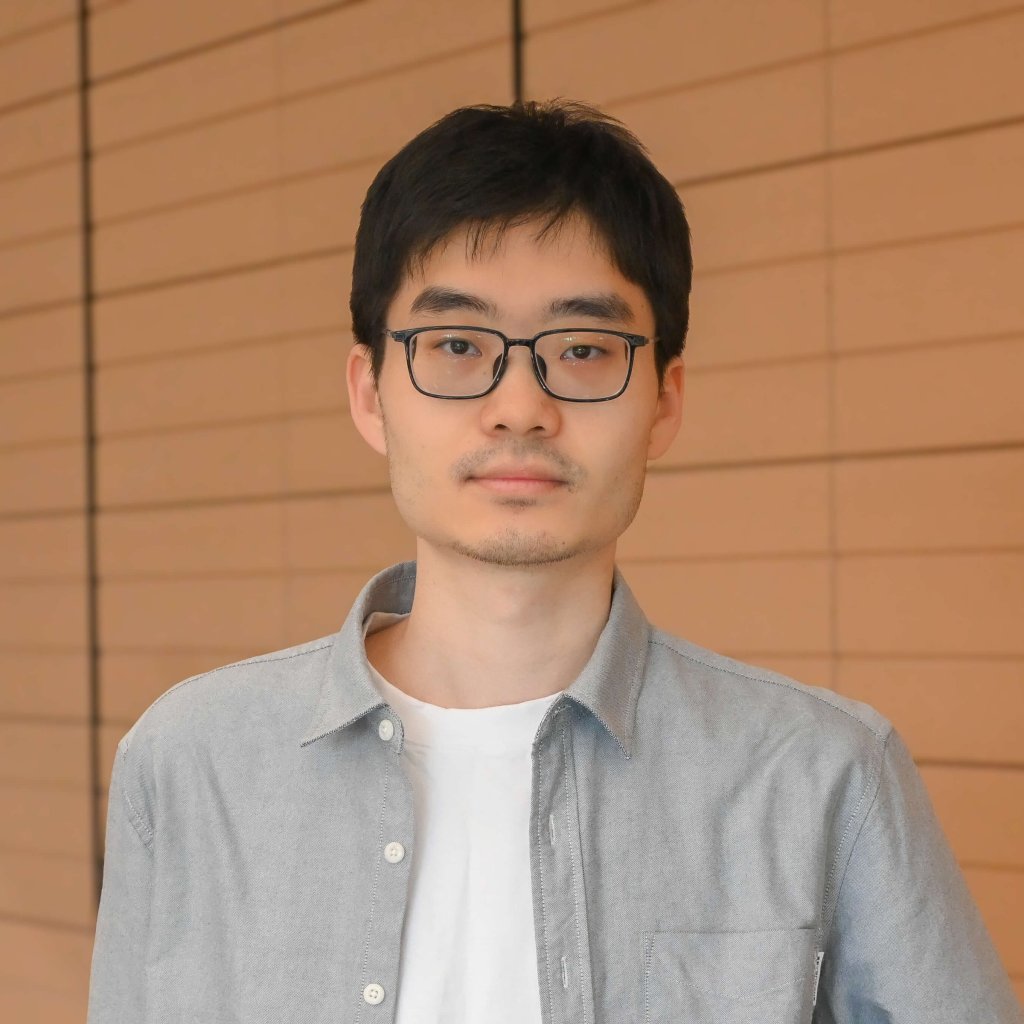
Doctor and Research Associate at UNSW
Dr. Ding Zhang is a postdoctoral researcher in Partcat group within School of Chemical Engineering. He obtained his PhD in Chemical Engineering from UNSW in 2024, and he also holds a Master’s and a Bachelor’s degree with Honours Class 1 in Renewable Energy Engineering from UNSW.
Hydrogen peroxide is widely used in paper bleaching, healthcare, agriculture, and mining but currently produced through energy-intensive processes that emit large amounts of CO₂ and rely on hazardous chemicals. Australia also depends heavily on imports, creating supply vulnerabilities and environmental costs.
Ding is pioneering an electrochemical method to produce hydrogen peroxide. This clean and decentralised approach eliminates toxic chemicals and could be powered by renewables like solar or wind, making production safer, greener. It also allows for small-scale systems that can be installed and operated directly at the point of use, removing the need for large factories and long-distance transport.
This technology could disrupt global hydrogen peroxide markets, enabling on-demand, local production. It supports sustainable agriculture, green mining, and healthcare, while reducing emissions and enhancing supply chain resilience, especially important for regions like Australia that rely on imports.
Green vehicle acceleration

Chief Commercialisation Officer at P-One Technology
Tyson is the Chief Commercialisation Officer at P-ONE Technology. With deep experience in innovation strategy and sustainable mobility, Tyson is focused on turning breakthrough clean energy research into scalable products.
Australia has world-class research in clean transport and advanced manufacturing, but much of it stays in the lab. There’s a gap between early-stage innovation and industry adoption, especially when it comes to scaling and commercialising sustainable vehicle technologies.
P-ONE Technology is an agile, commercialisation spin-off of Sunswift Racing, which is backed by UNSW & the Australian Government’s TRaCE Trailblazer program.
Through his TRaCE-supported role, Tyson is working directly with researchers and engineers to develop and deploy new mobility technologies that are lightweight, energy-efficient, and ready for real-world application. He will be building partnerships, validating technologies, and fast-tracking the transition from prototype to product.
With the solar-powered car market projected to grow from USD 545.0 million in 2024 to USD 2,526.2 million by 2032 (CAGR of 21.1%), Tyson’s work comes at a pivotal moment. By bridging academic R&D and commercial opportunity, he is helping position Australia as a global leader in sustainable transport.
Removable mortar
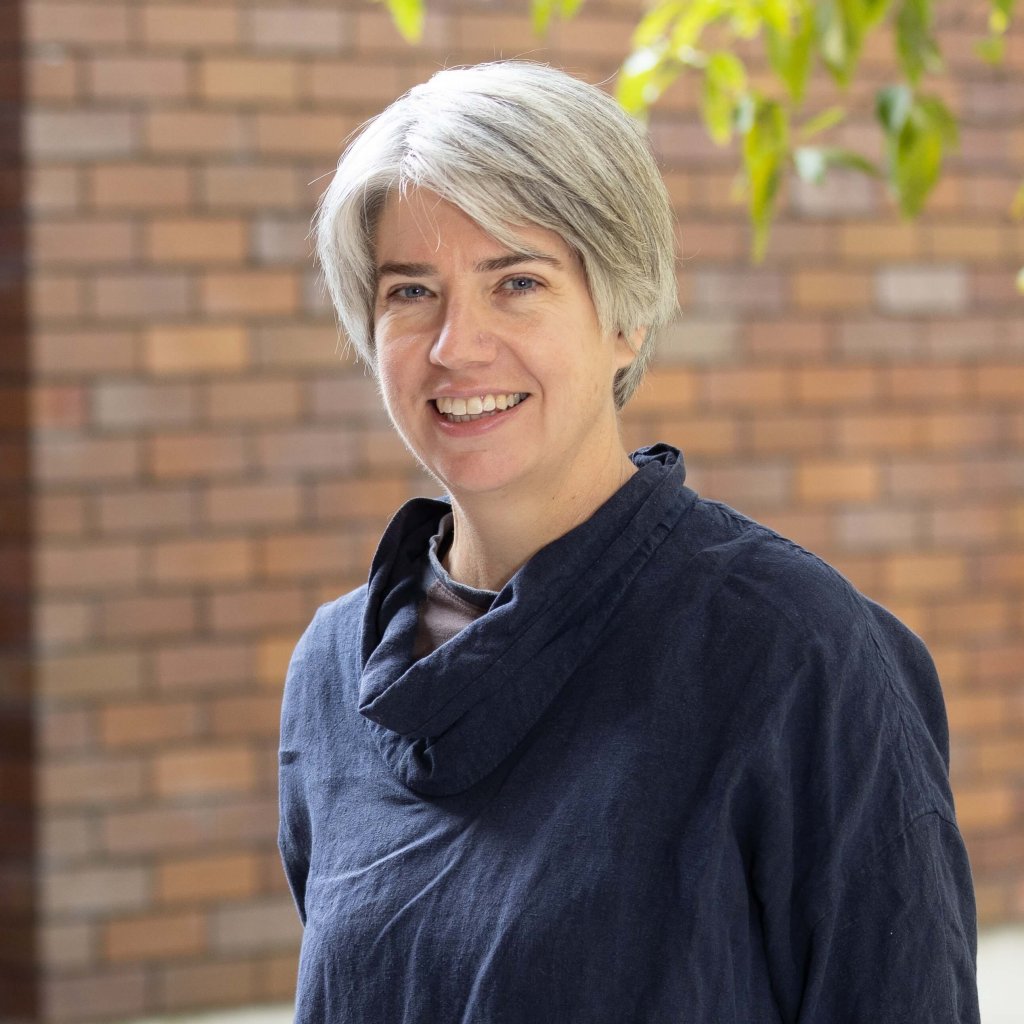
Doctor and Lecturer at the University of Newcastle
Dr Josephine Vaughan is a lecturer and researcher who works closely with industry partners on ecologically sustainable construction in the College of Engineering, Environment and Science at the University of Newcastle, Australia.
Some of the first sophisticated buildings ever made were bricks and mortar. While they still play a fundamental role in construction today, there has been a growing demand to make these products more sustainable. Current manufacturing processes contribute significant greenhouse gas emissions, and after demolition, bricks are often thrown into landfills because the mortar is too difficult and expensive to remove.
Josephine is developing a removable mortar so bricks can be reused at their full value. Through a TRaCE Enterprise Academic Fellowship project, Josephine aims to expand on this work by improving the sustainability of the removable mortar by using advanced manufacturing and adding agricultural waste material.
By reducing waste, Josephine’s removable mortar will positively impact both the environmental footprint and the cost-effectiveness of construction projects while easing our reliance on raw materials and landfill.
Carbon fibre recycling

Doctor and Research Associate at UNSW Canberra
Dr. Di (Andy) He is a Research Associate at the School of Engineering and Technology, UNSW Canberra, focusing on sustainable manufacturing and the circular economy. He is developing and commercialising a new carbon fibre recycling technology, helping to reduce landfills and drive cleaner, more sustainable production by providing cost-effective recycled carbo.
Carbon fibre is a strong, lightweight material used in advanced applications like aircraft, cars, boats, and wind turbines. However, producing it is expensive and energy-intensive—and when it reaches the end of its life, around 95% of it ends up in landfill. Globally, carbon fibre recycling is still in its infancy, and Australia currently has no recycling infrastructure for it. Existing methods often degrade the material, limiting its reuse in the second life.
Our team is developing a new recycling method for carbon fibre that preserves much of the strength and quality of carbon fibre. The process begins with analysing the composition of carbon fibre waste to fine-tune recycling conditions, crucial for recovering clean and undamaged fibres. Our recycling approach then retains the key performance characteristics of the original material, thereby avoiding the deterioration seen in current recycling methods.
This innovation has the potential to reshape how carbon fibre is used and reused in Australia. By establishing a carbon fibre recycling capability with this new method, our team is tackling the growing carbon fibre waste challenge faced by local manufacturers. This technology produces recycled material with similar performance to new carbon fibre—but at a fraction of the cost. This not only makes advanced manufacturing more affordable, but also significantly reduces its environmental footprint.
Optimising energy infrastructure

Associate Professor at the University of Newcastle
Associate Professor Igor Chaves is a chartered materials professional and academic in civil structural material science, engineering, and technology at the University of Newcastle’s School of Engineering. He serves as Deputy Leader of the Critical Infrastructure Performance and Reliability Group and Deputy Director of Research at the Centre for Innovative Energy Technologies at the University of Newcastle.
The adoption of new energy technologies, particularly those involving hydrogen, is being slowed down due to safety concerns and high maintenance costs. One reason for this is a limited understanding of how energy infrastructure materials behave under emerging conditions.
Igor is developing a new procedure to detect internal degradation in pressurised steel pipes used for transporting hydrogen, helping to address one of the critical barriers to hydrogen infrastructure.
More broadly, Igor aims to draw on his expertise and that of the Centre for Innovative Energy Technologies (CINET) to provide advanced asset management and structural material solutions for multidisciplinary energy projects.
Igor’s research has the potential to enhance the safety, reliability, and cost-effectiveness of energy systems. This research is instrumental in enabling the industry to adopt advanced energy infrastructure.
Redox flow batteries
Research Associate at the UNSW
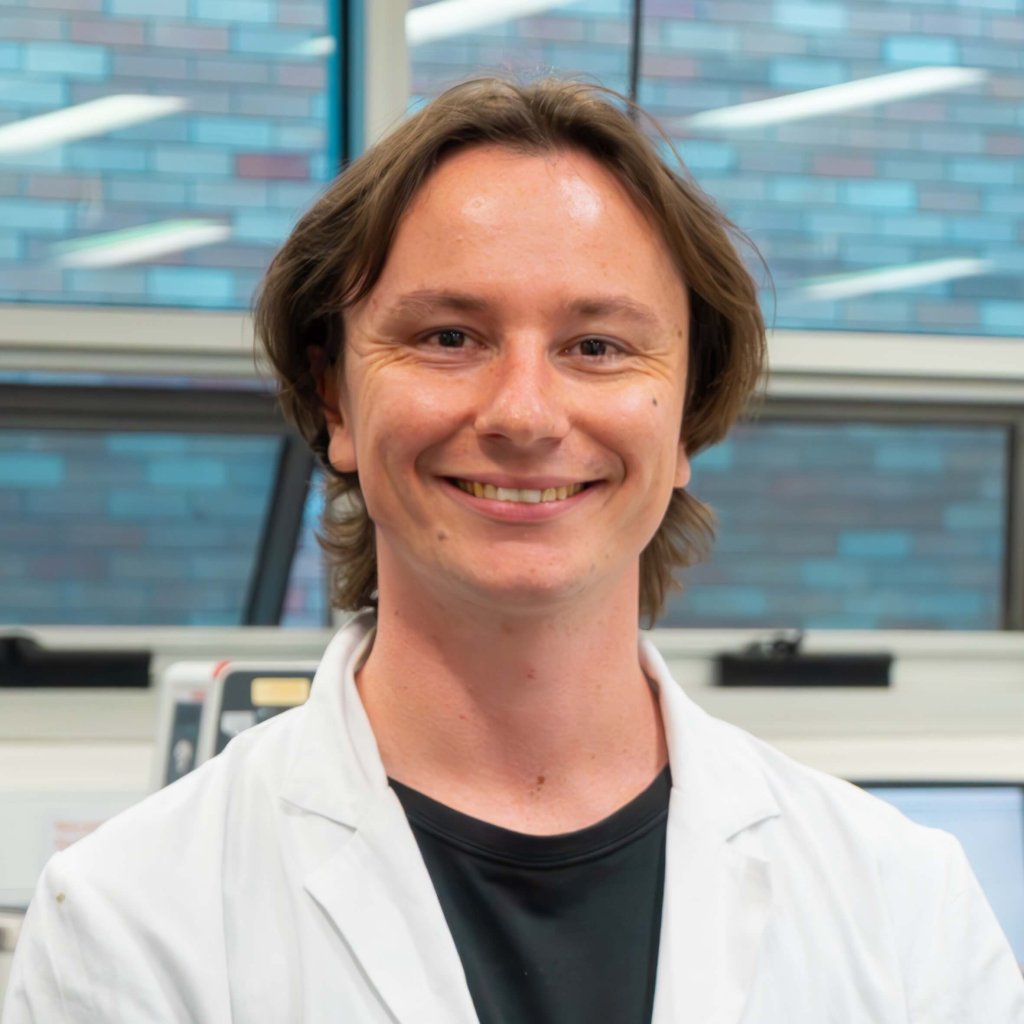
Benjamin Tynan is a Research Associate at the UNSW School of Mechanical & Manufacturing Engineering, specialising in the development of advanced energy storage systems. His primary focus is on redox flow batteries (RFBs), a technology for efficiently and sustainably storing renewable energy.
Benjamin is tackling the growing need for affordable, efficient, and sustainable energy storage solutions, particularly for large-scale grid applications. These systems are essential for balancing the intermittent nature of renewable energy sources and must be scalable and versatile to meet diverse energy demands.
Benjamin’s team is advancing redox flow batteries (RFBs), a cutting-edge technology for large-scale energy storage. Developed at UNSW since the 1980s, RFBs are now being enhanced for wider adoption, with commercial systems and pilot projects already deployed globally.
The team is working on scaling up and automating the production of Generation 4 vanadium RFBs, also known as vanadium-oxygen fuel cells (VOFC). These next-generation batteries improve efficiency, reduce space requirements, and simplify installation by using a single tank of electrolyte.
Benjamin’s role involves designing and testing these systems, exploring ways to scale and commercialise the technology, and collaborating with external partners to bring it to market.
This technology has the potential to revolutionise large-scale energy storage, offering a more sustainable and cost-effective alternative to lithium-ion batteries. By making flow batteries more competitive and easier to install, this innovation opens doors to new applications in renewable energy storage and supports the global transition to clean energy.
Sodium-ion batteries

Research Associate at the UNSW
Matthew completed his PhD in Chemistry at UNSW Sydney in 2023, where he focused on designing and characterising new materials for lithium and sodium-ion batteries, with particular attention to electrode nano- and microstructure. Since then, he has held postdoctoral roles at UNSW in both the School of Chemistry and the School of Materials Science and Engineering, deepening his expertise in battery materials. Driven by a passion for battery research, Matthew aims to contribute to the development of sustainable energy technologies throughout his career.
Matthew is addressing a critical challenge in the energy transition: the need for scalable, affordable, and sustainable battery storage. While lithium-ion batteries dominate the market, they rely on scarce, expensive, and ethically problematic materials such as lithium, cobalt, and nickel. Their production also comes with safety risks and serious environmental costs. As demand for renewable energy storage grows, it is essential to find safer and more sustainable alternatives.
To tackle these issues, Matthew is contributing to the development of a new generation of sodium-ion batteries that eliminate the need for cobalt and lithium.
Sodium is abundant, easier to extract, and environmentally benign, making it a promising replacement. The project is developing a high-yield, low-cost, and scalable battery manufacturing process that operates at room temperature and can be integrated into existing production infrastructure. The team aims to deliver a 1000 mAh sodium-ion pouch cell by 2026 and scale up to a 20 kWh battery by 2029, tailored for use in Battery Energy Storage Systems (BESS).
Matthew’s work involves developing and testing advanced materials for both the cathode and anode, in collaboration with other leading Australian researchers, to create complete and commercially viable battery systems.
This technology could play a transformative role in decarbonising the energy sector. By replacing scarce and environmentally harmful minerals with abundant materials like sodium, Matthew’s research supports a more ethical, secure, and scalable energy storage solution.
Solar panels recycling

Founder of Hello Again Solar and Doctor at UNSW
Dr. Rong Deng is a Lecturer and Research Fellow at UNSW’s School of Photovoltaic and Renewable Energy Engineering, and the founder of Hello Again Solar, a deep tech startup redefining how the world recycles solar panels.
Rong is tackling the looming global waste crisis from retired solar panels. In Australia alone, millions of panels are already reaching end-of-life each year, with the volume expected to grow 1000x by 2050. Current recycling solutions are costly, inefficient, or environmentally damaging.
Rong’s team has developed a patented, laser-based delamination process that separates and recovers all major materials, glass, silicon, silver, copper, and polymer, without shredding, chemicals, or high temperatures. This method produces high-purity outputs that are more valuable and easier to reprocess. Her startup, Hello Again Solar, is scaling this innovation from lab to industry.
This technology has the potential to set a new global standard for clean solar recycling. It can unlock high-value circular supply chains, reduce the carbon footprint of the solar industry, and help utility developers and manufacturers meet growing ESG and regulatory pressures. By offering both an environmentally and economically attractive solution, it supports the broader goal of making solar truly sustainable.
Sustainable insulation materials
Associate Professor at the University of Newcastle
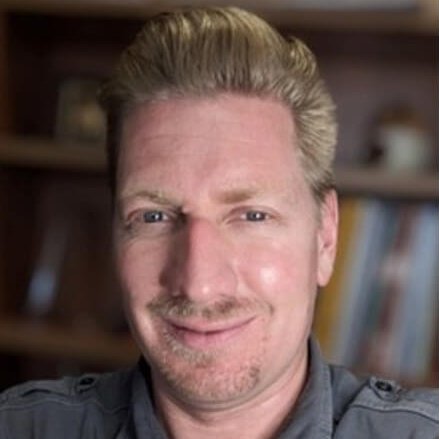
Associate Professor Thomas Fiedler has been working at the University of Newcastle since 2008, after completing a PhD focused on advanced cellular materials. His research addresses a broad range of challenges, including sustainable materials development, durability, and applications in renewable energy systems. He is particularly committed to supporting sustainability and the energy transition by enabling local industries through innovative materials research. Over his career, he has built extensive expertise in designing and testing materials that balance environmental performance, functionality, and manufacturability, effectively bridging the gap between fundamental research and real-world implementation.
Thermal insulation plays a vital role in reducing energy demand for heating in winter and cooling in summer. Conventional insulation materials often rely on energy-intensive manufacturing and have significant carbon footprints, limiting their sustainability. There is a pressing need for environmentally friendly alternatives that maintain high thermal and acoustic performance while being easily integrated into existing building practices and scalable for widespread adoption.
Thomas’ TRaCE fellowship focuses on developing and characterising sustainable insulation materials derived from plant or waste-based resources. These materials are combined with environmentally friendly binders such as corn starch or bio-polyurethane to create practical form factors compatible with current construction practices. Thermal conductivity measurements are used to optimise performance, ensuring low heat transfer and high R values, while acoustic testing addresses suitability for multi-story or commercial buildings. The approach emphasises scalable design and testing, enabling materials that not only reduce carbon footprints but also maintain functionality, durability, and ease of implementation.
The adoption of sustainable insulation materials has the potential to significantly reduce carbon emissions in the construction sector. Improved thermal performance lowers energy requirements for heating and cooling, benefiting residential buildings immediately and extending to multi-story and commercial applications over time. By combining low-carbon materials with established testing facilities and expertise in material development, this project supports future innovation in sustainable building solutions, supporting the energy transition and enabling practical, high-impact environmental outcomes at a community and industry scale.
Computational modelling

Senior Lecturer at the University of Newcastle
Dr Kyle Harrison specialises in computational modelling and applied artificial intelligence (AI) to address challenges in clean energy and recycling. With a PhD in Computer Science from the University of Pretoria, his work focuses on simulating complex systems and developing optimisation frameworks that enhance efficiency, reduce waste, and support circular economy principles. With expertise spanning machine learning, optimisation algorithms, and system simulation, his research bridges theory and practice to deliver scalable, data-driven innovations that accelerate the transition toward sustainable industrial processes and low-carbon technologies.
Clean energy and recycling systems face inefficiencies due to complex, dynamic processes. Investment in modern digital infrastructure may allow organisations to better recognise and amend operational blind spots. A key challenge is to design adaptive solutions that model real-world systems accurately and provide intelligent operations for maximum efficiency and minimal environmental impact.
Kyle’s research leverages applied AI and advanced simulation techniques to model and optimise critical systems. By combining machine learning, optimisation, and agent-based simulations, predictive insights and efficient decision-making under uncertainty can be achieved. The integration of AI-driven models with high-fidelity simulations ensures accurate representation of complex interactions, supporting scalable solutions for industry. These computational methods allow for real-time optimisation of energy flows, material recovery, and resource allocation, thus reducing inefficiencies and improving resilience.
Leveraging AI has the potential to significantly reduce operational costs, energy consumption, and material waste through intelligent optimisation. By enabling predictive and adaptive control, organisations can improve system reliability, maximise resource recovery, and accelerate the adoption of clean technologies. For the broader sector, these innovations support a circular economy, enhance supply chain resilience, and contribute to global decarbonisation goals. Ultimately, Kyle’s research can empower industries to transition from reactive strategies to proactive, data-driven decision-making, thereby creating long-term value.
Thermal management
Lecturer at the University of Newcastle
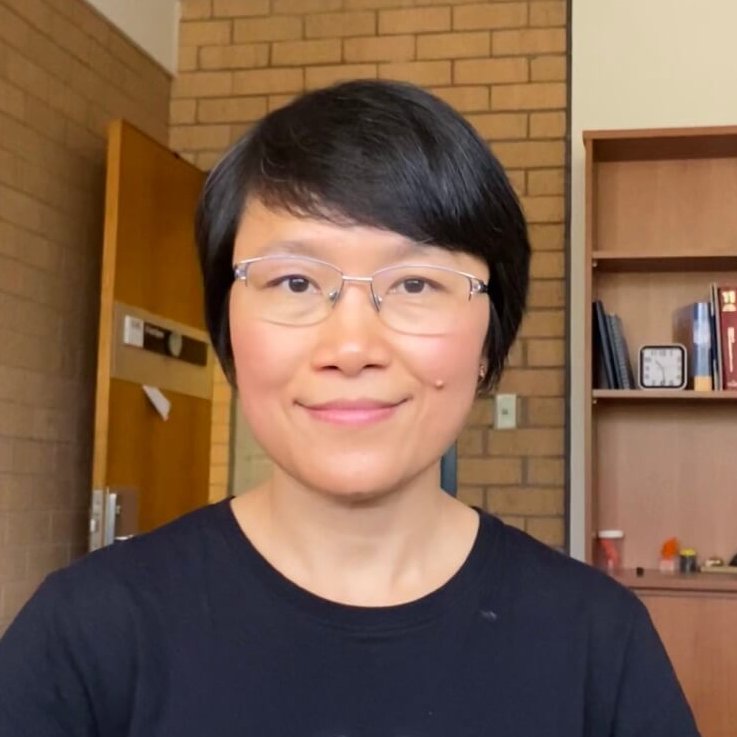
Dr Tuyen Nguyen earned her PhD in 2018, exploring the physics behind how liquid droplets evaporate under different heat transfer mechanisms. Her PhD and postdoctoral research have helped her develop strong skills in mathematical modelling, computational fluid dynamics (CFD), and laboratory experimentation. She has been expanding these skills in modelling steelmaking processes, furnaces, boilers, heat sinks, and other thermal-fluid engineering systems, aiming to deliver fundamental knowledge as well as practical relevance for industries across all scales.
Ineffective thermal management remains a widespread challenge across thermal-engineering applications, as available designs do not always perform optimally under diverse operating conditions. This results in inefficient heat transfer and excessive energy use. Addressing these issues to improve existing designs and develop optimised solutions for new applications remains an ongoing challenge.
Dr Nguyen’s research combines CFD, mathematical modelling, and laboratory experiments to investigate how fluid flow influences heat transfer under a wide range of operating conditions. Her math equations can be adapted to reflect real system behaviour. This integrated approach can identify optimal operating conditions to improve energy efficiency, reduce power consumption, and enhance overall system performance.
Dr Nguyen’s research aims to deliver validated CFD simulations that enable detailed understanding of thermal processes and provide quantitative design guidance. Enhancing energy efficiency and reducing power consumption leads to lower emissions and promotes sustainable industrial growth.
Carbon capture and upcycling
Senior Lecturer at the University of Newcastle
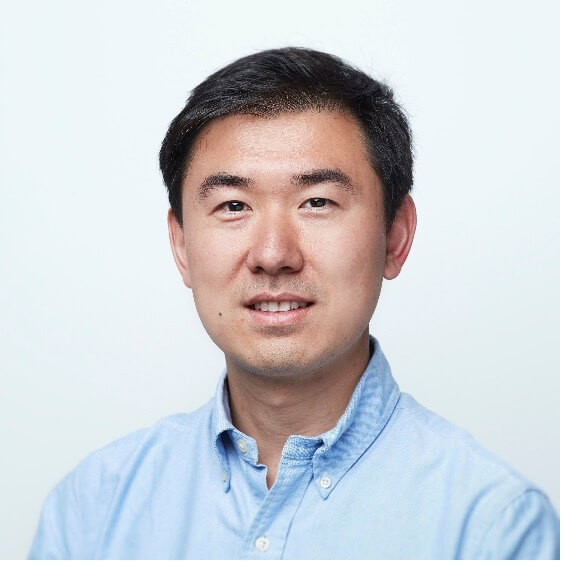
Dr Sam Chen is a Senior Lecturer and TRaCE Enterprise Academic Fellow at the University of Newcastle. Since joining the University in 2021, he has led the Artificial Materials Lab, focusing on the development of novel materials and processes for carbon capture and upcycling. Sam received his PhD in Chemistry from the University of Western Australia in 2014, followed by postdoctoral training at Flinders University and the IBS Center for Multidimensional Carbon Materials at UNIST. In 2018, he was awarded an ARC DECRA Fellowship at UNSW.
Carbon is central to many modern technologies, yet it is also a major contributor to global sustainability challenges. Greenhouse gas emissions, end-of-life battery black mass, and carbon-rich waste from plastics, tyres, wind turbine blades, and solar cells are rapidly accumulating. Innovative recycling and upcycling technologies are urgently needed to transform waste into valuable resources for carbon capture, circular economy, and clean energy.
With over 15 years of expertise in carbon materials, Dr Chen’s research focuses on developing novel strategies for material synthesis, understanding structures and properties, and translating materials into real-world applications. His group is advancing process intensification technologies, including microwave-induced shock heating and dynamic thin-film reactors, for carbon capture, conversion, and separation. Combined with his expertise in materials design and characterisation, these approaches enable controlled transformation of carbon waste into high-performance materials, supporting scalable and economically viable upcycling pathways.
By accelerating the development of new materials processing methods, Dr Chen’s fellowship aims to convert carbon from waste such as plastics from end-of-life products into functional carbon-based materials for high-performance batteries and advanced catalysts; CO2 capture and conversion; precious metal extraction from waste streams; and water treatment, bringing economic and environmental benefits to waste recycling. His fellowship will support critical sectors like energy, resources, recycling, and build the foundation for long-term, impactful collaborations with industries.
Advancing redox flow batteries
Research Associate at the UNSW
Benjamin Tynan is a Research Associate at the UNSW School of Mechanical & Manufacturing Engineering specialising in the development of advanced energy storage systems. His primary focus is on redox flow batteries (RFBs), a technology for efficiently and sustainably storing renewable energy.
Benjamin is tackling the growing need for affordable, efficient, and sustainable energy storage solutions, particularly for large-scale grid applications. These systems are essential for balancing the intermittent nature of renewable energy sources and must be scalable and versatile to meet diverse energy demands.
Benjamin’s team is advancing redox flow batteries (RFBs), a cutting-edge technology for large-scale energy storage. Developed at UNSW since the 1980s, RFBs are now being enhanced for wider adoption, with commercial systems and pilot projects already deployed globally.
The team is working on scaling up and automating the production of Generation 4 vanadium RFBs, also known as vanadium-oxygen fuel cells (VOFC). These next-generation batteries improve efficiency, reduce space requirements, and simplify installation by using a single tank of electrolyte.
Benjamin’s role involves designing and testing these systems, exploring ways to scale and commercialise the technology, and collaborating with external partners to bring it to market.
This technology has the potential to revolutionise large-scale energy storage, offering a more sustainable and cost-effective alternative to lithium-ion batteries. By making flow batteries more competitive and easier to install, this innovation opens doors to new applications in renewable energy storage and supports the global transition to clean energy.
Advancing redox flow batteries

Research Associate at the UNSW
Benjamin Tynan is a Research Associate at the UNSW School of Mechanical & Manufacturing Engineering specialising in the development of advanced energy storage systems. His primary focus is on redox flow batteries (RFBs), a technology for efficiently and sustainably storing renewable energy.
Benjamin is tackling the growing need for affordable, efficient, and sustainable energy storage solutions, particularly for large-scale grid applications. These systems are essential for balancing the intermittent nature of renewable energy sources and must be scalable and versatile to meet diverse energy demands.
Benjamin’s team is advancing redox flow batteries (RFBs), a cutting-edge technology for large-scale energy storage. Developed at UNSW since the 1980s, RFBs are now being enhanced for wider adoption, with commercial systems and pilot projects already deployed globally.
The team is working on scaling up and automating the production of Generation 4 vanadium RFBs, also known as vanadium-oxygen fuel cells (VOFC). These next-generation batteries improve efficiency, reduce space requirements, and simplify installation by using a single tank of electrolyte.
Benjamin’s role involves designing and testing these systems, exploring ways to scale and commercialise the technology, and collaborating with external partners to bring it to market.
This technology has the potential to revolutionise large-scale energy storage, offering a more sustainable and cost-effective alternative to lithium-ion batteries. By making flow batteries more competitive and easier to install, this innovation opens doors to new applications in renewable energy storage and supports the global transition to clean energy.