Australia’s dependence on landfills may soon see a significant reduction thanks to a collaborative research venture between the University of Newcastle and Elmntre.
Currently, over half of the country’s municipal solid waste ends up in landfills. Laureate Professor Behdad Moghtaderi and his team from the Centre for Innovative Energy Technologies at the University of Newcastle are recovering valuable resources from waste through innovative technology developed with Elmntre.
Disposing waste in landfills pollutes the soil and water and releases methane, a greenhouse gas, into the atmosphere. Establishing landfill sites also often means the destruction of natural habitats, contributing to a loss of wildlife.
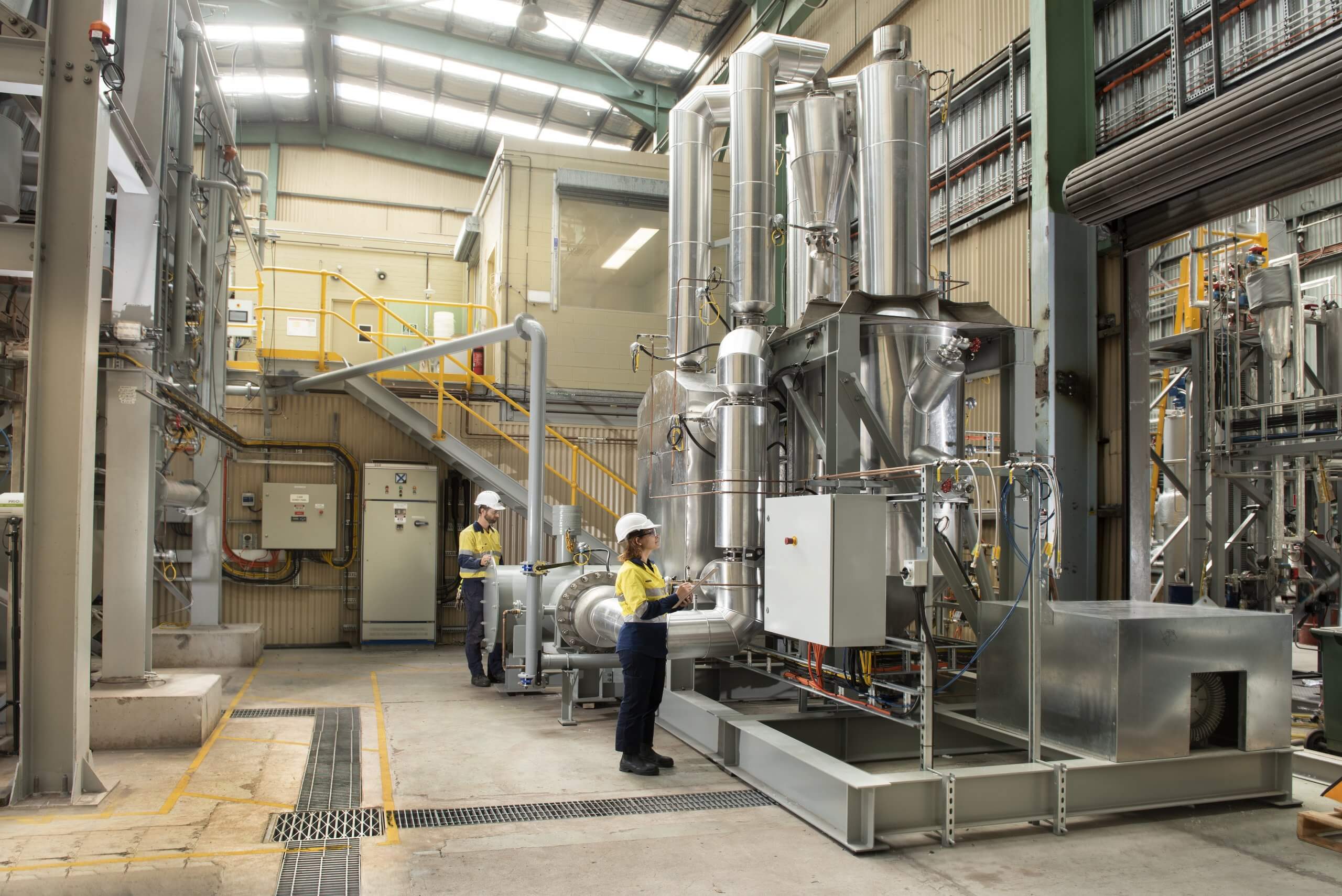
Through a three-year project supported by the Trailblazer for Recycling and Clean Energy (TRaCE), Professor Moghtaderi and Elmntre are creating a technology platform, KIMIYA, that converts organic waste to sustainable chemicals and fuels to combat the negative impacts of landfills on our environment.
“Industry and local government alike are looking for ways to repurpose waste instead of throwing it away,” said Laureate Professor Moghtaderi.
“KIMIYA is a novel poly-generation conversion technology that involves a set of thermochemically assisted processes for emission-free transformation of waste into hydrogen and other valuable products, including chemicals such as methanol, ammonia and sustainable aviation fuels.”
When derived from waste, these chemicals can be used as ingredients for eco-friendly products such as sustainable aviation fuels and fertilizers.
The Elmntre team said they are excited to work with the University on a project that will have such a positive impact on emission reduction on industries nationwide.
“The KIMIYA technology is revolutionary in that it’ll allow local and state governments to produce energy, strategic materials and chemicals from valuable resources currently being discarded,” said the Elmntre team.
“For instance, the sustainable aviation fuels produced from the process can significantly reduce emissions associated with the transportation industry, which is currently responsible for approximately one-fifth of global carbon dioxide emissions.”
“The support of the TRaCE program enables us to test the KIMIYA technology at scale, proving its viability and giving us the momentum to roll out the technology.”
Over the next three years, the team aims to have created a pilot-scale demonstration of the KIMIYA technology and conducted detailed quality and performance assessments of the resulting products in various applications including petrol engines, diesel engines and gas turbines.
Laureate Professor Moghtaderi said the KIMIYA technology has several advantages over traditional methods of waste conversion.
“Our iron-oxide based chemical looping method eliminates the need for costly gas cleaning, and the process’ exothermic reaction requires less thermal energy input, resulting in a smaller carbon footprint.”
“The KIMIYA technique also calls for less expensive materials and facilities, reducing the costs associated with waste conversion,” he added.
By proving the market viability of the KIMIYA technology, Elmntre and the Laureate Professor Moghtaderi expect to revolutionise how waste is valued, repurposed and managed.