With plastic production continuing to rise, over 460 million tonnes produced globally each year, waste management has become a pressing environmental challenge. Traditional polyurethane (PU) foams, widely used in packaging, furniture, and insulation, are designed to last but not to be recycled, leaving most to end up in landfill or incineration.
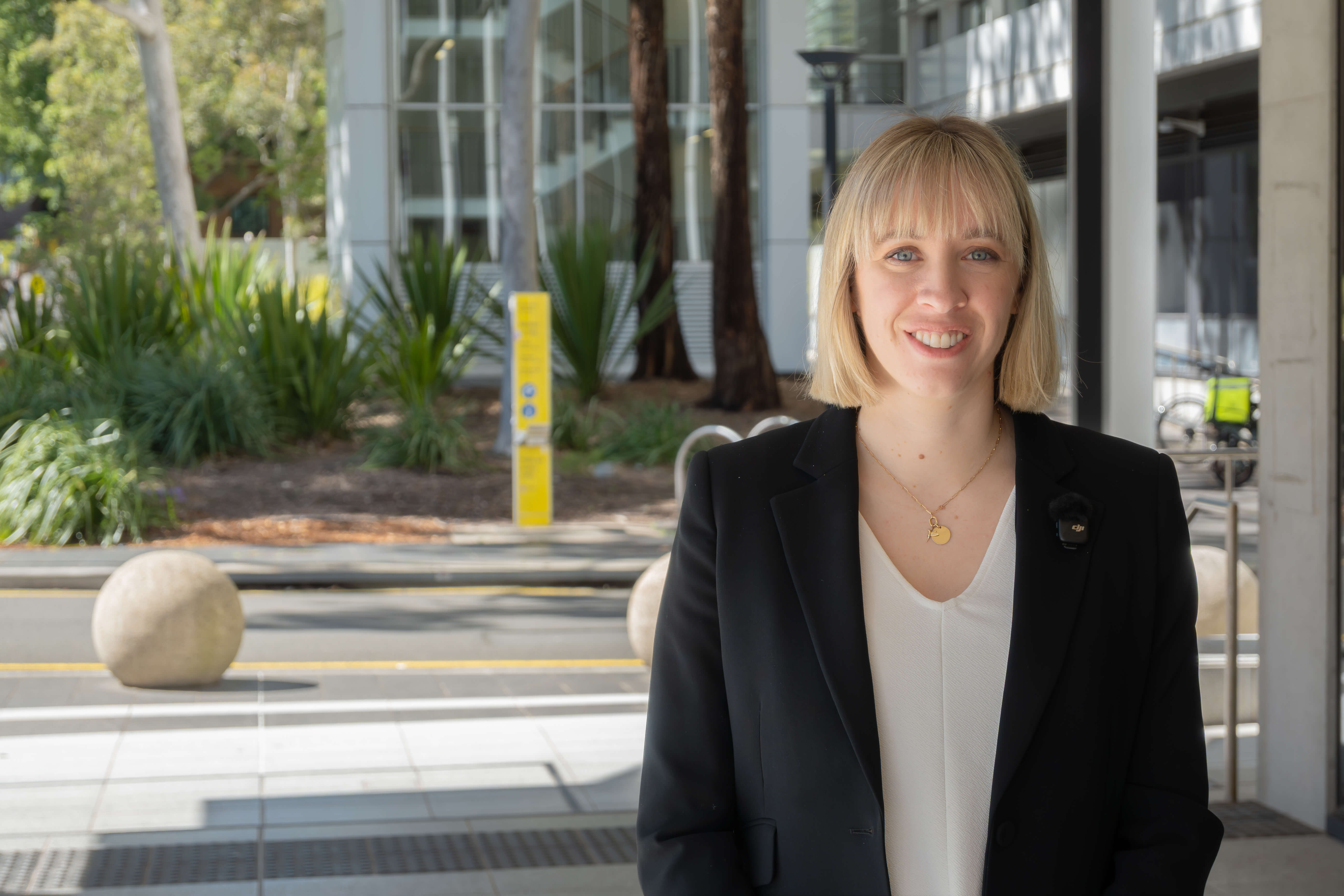
“Plastic was built to last, and that’s the problem,” says Dr. Stephanie Allison-Logan, CEO of Sprout Materials. “We need to design materials that are built for circularity from the start.”
Sprout Materials, a startup emerging from the Australian National University, is tackling this problem by developing chemically recyclable PU foams that combine sustainability with seamless integration into existing manufacturing systems.
Reinventing polyurethane for a circular economy
Sprout Materials has redesigned the key ingredients used in polyurethane (PU) foam, polyol, to make it easy to recycle using simple chemical processes. Unlike conventional foams, which are difficult to break down and usually end up in landfill, Sprout’s patented materials can be safely and efficiently returned to their original components and reused to make new foam. The inputs work with existing manufacturing systems, keeping production costs competitive. No other commercial PU products on the market combine recyclability and seamless process compatibility.
Regulatory pressure driving change
The $55 billion PU foam industry is facing increasing pressure from environmental legislation, particularly in Europe, where regulators are demanding circular, recyclable solutions. Current recycling methods are costly and inefficient, creating an urgent need for innovations that allow manufacturers to meet regulatory requirements without prohibitive investment. This regulatory shift creates a significant opportunity for technologies like Sprout Materials.
Hear from Stephanie, CEO & founder and learn more about Sprout Materials’ recyclable PU foam technology:
From Lab to Market
Sprout Materials is rapidly moving from lab to market with a clear roadmap for commercial impact. In 2025, the company received a $188k AEA grant to bring its technology out of ANU and into pilot trials, with one pilot already underway with an Australian foam manufacturer. The company aims to launch sales in Australia and Europe by 2027, with plans to establish manufacturing and recycling operations in the EU by 2029, positioning itself to deliver circular PU solutions at scale.
Sprout Materials’ journey to market has been supported by TRaCE, which invested $40k as the company entered the UNSW Founders Climate 10x Accelerator program. Beyond funding, C10x and TRaCE provided strategic guidance, mentoring, and access to industry networks, helping Sprout Materials refine its technology and accelerate its readiness for commercial trials with major Australian foam manufacturers.